
Dive Guides
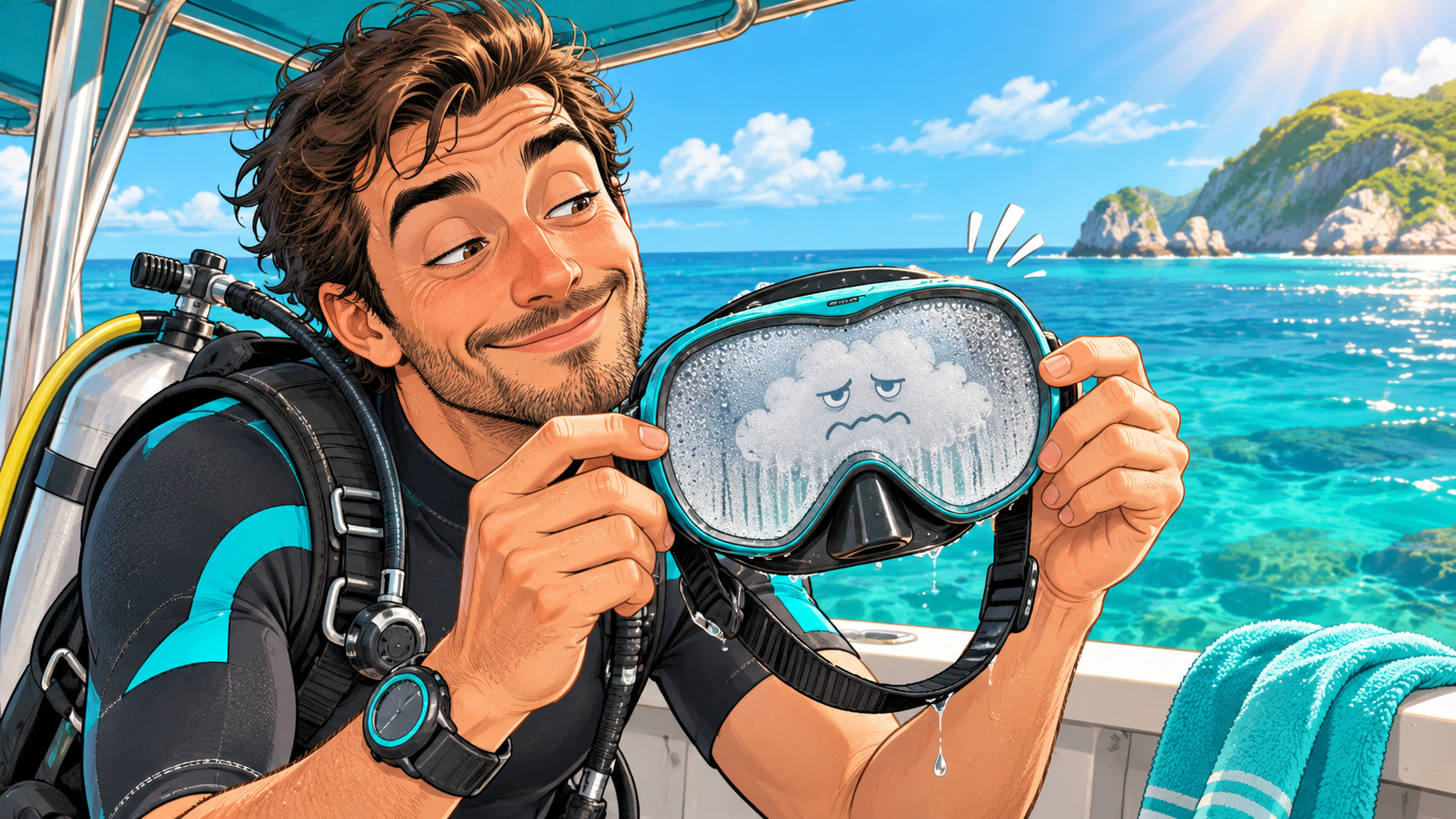
Why does a dive mask fog?
A closer look at fogging, cleaning and everyday mask care.
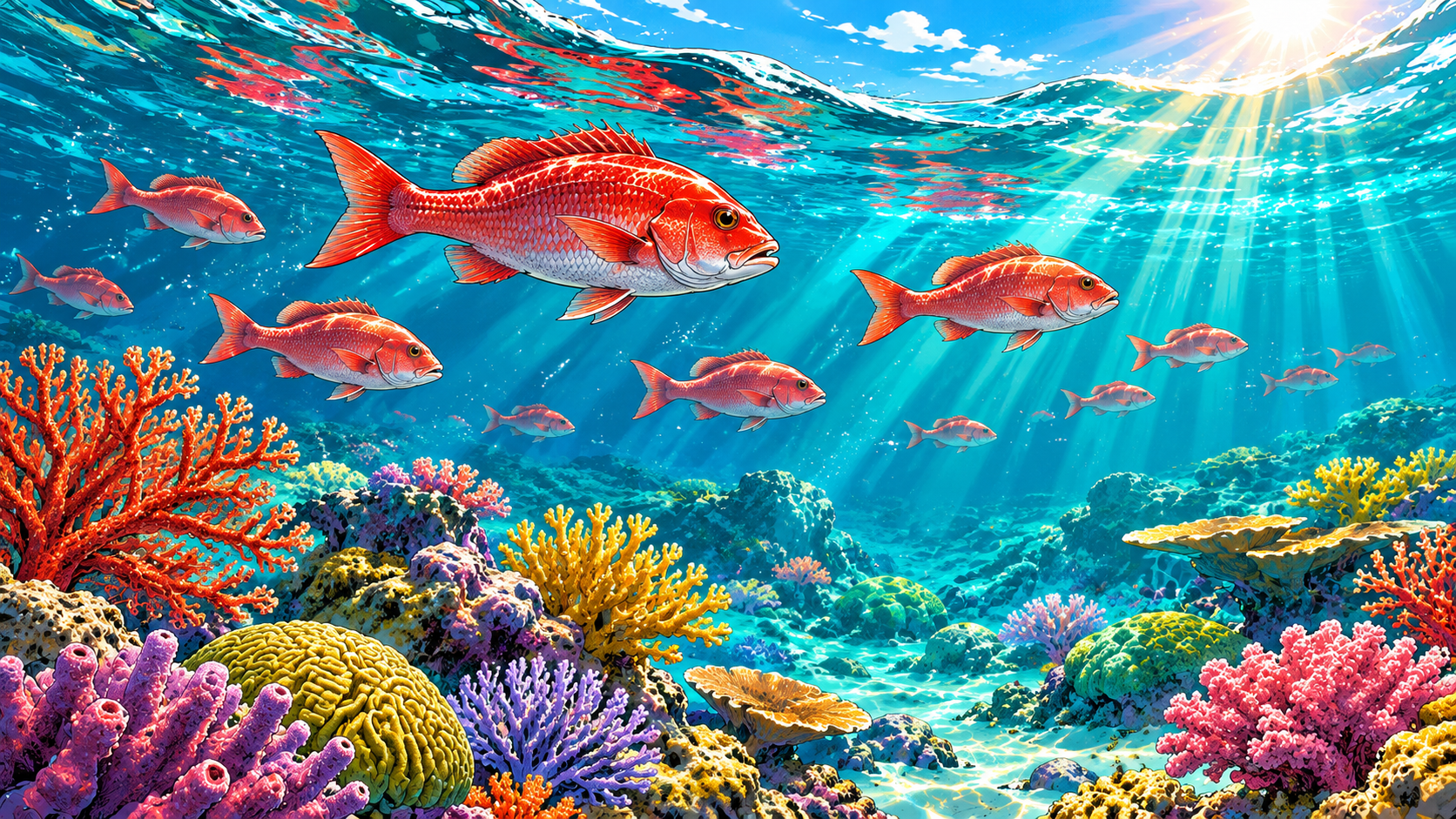
Where do the colours go underwater?
Follow light into the ocean and discover why colours change.

What lights up the ocean at night?
Explore bioluminescence and how it differs from fluorescence.

Surface Intervals
It is the time spent on the surface between dives. PADI explains that inert gas absorbed during a dive continues to leave the body during the interval…

Safety Stops and Ascent
Ascent rate describes the speed of moving toward the surface; a safety stop is an additional pause during ascent. Both belong in dive planning, and ma…

Becoming a Dive Instructor
Teaching involves more than collecting certifications: demonstration, organisation, student care and communication all matter. Develop a foundation th…
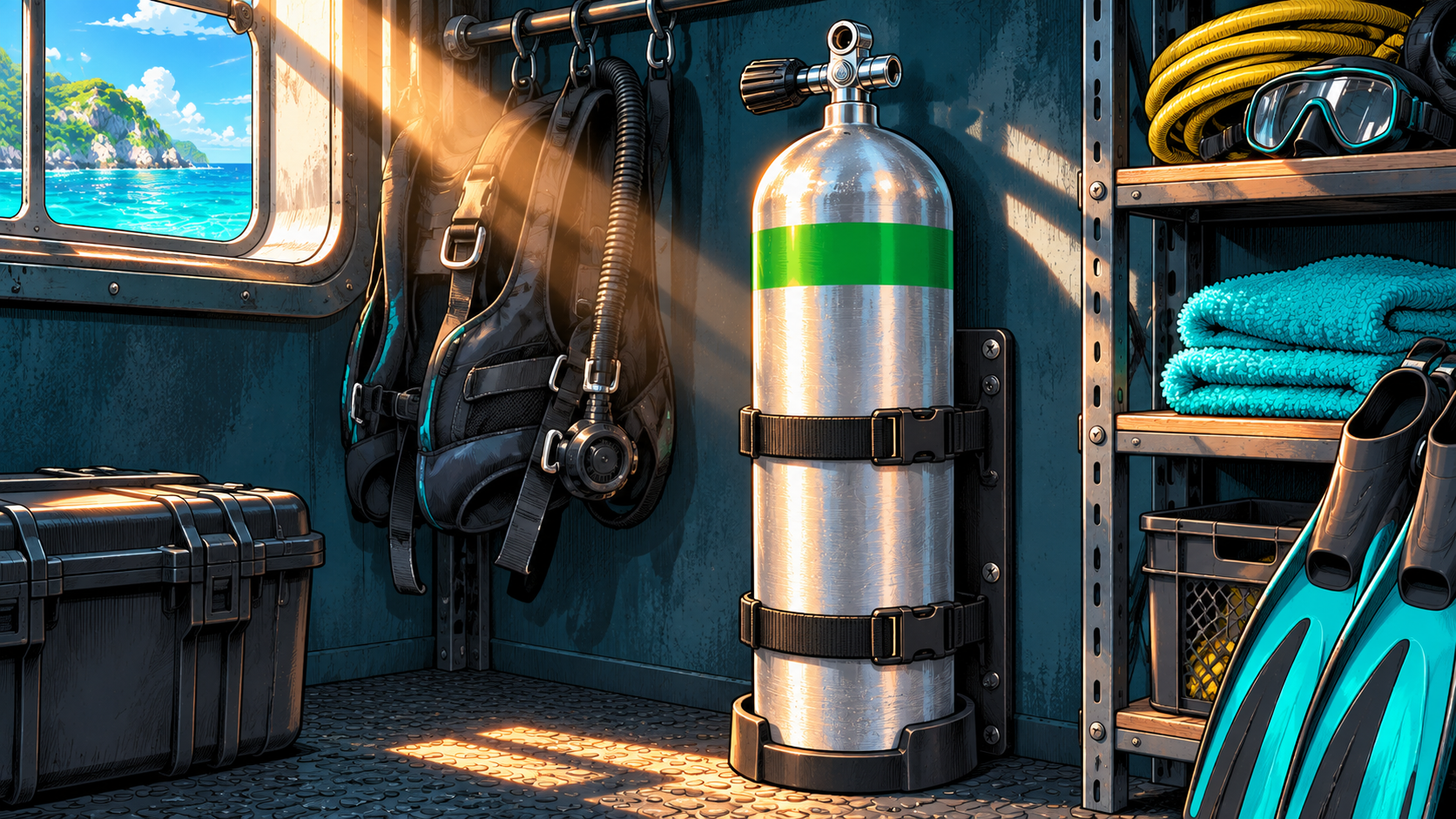
Is a Nitrox Course Right for You?
An enriched-air course may interest divers who want to understand the gas, but its value depends on activities, fill services, time and budget. Discus…
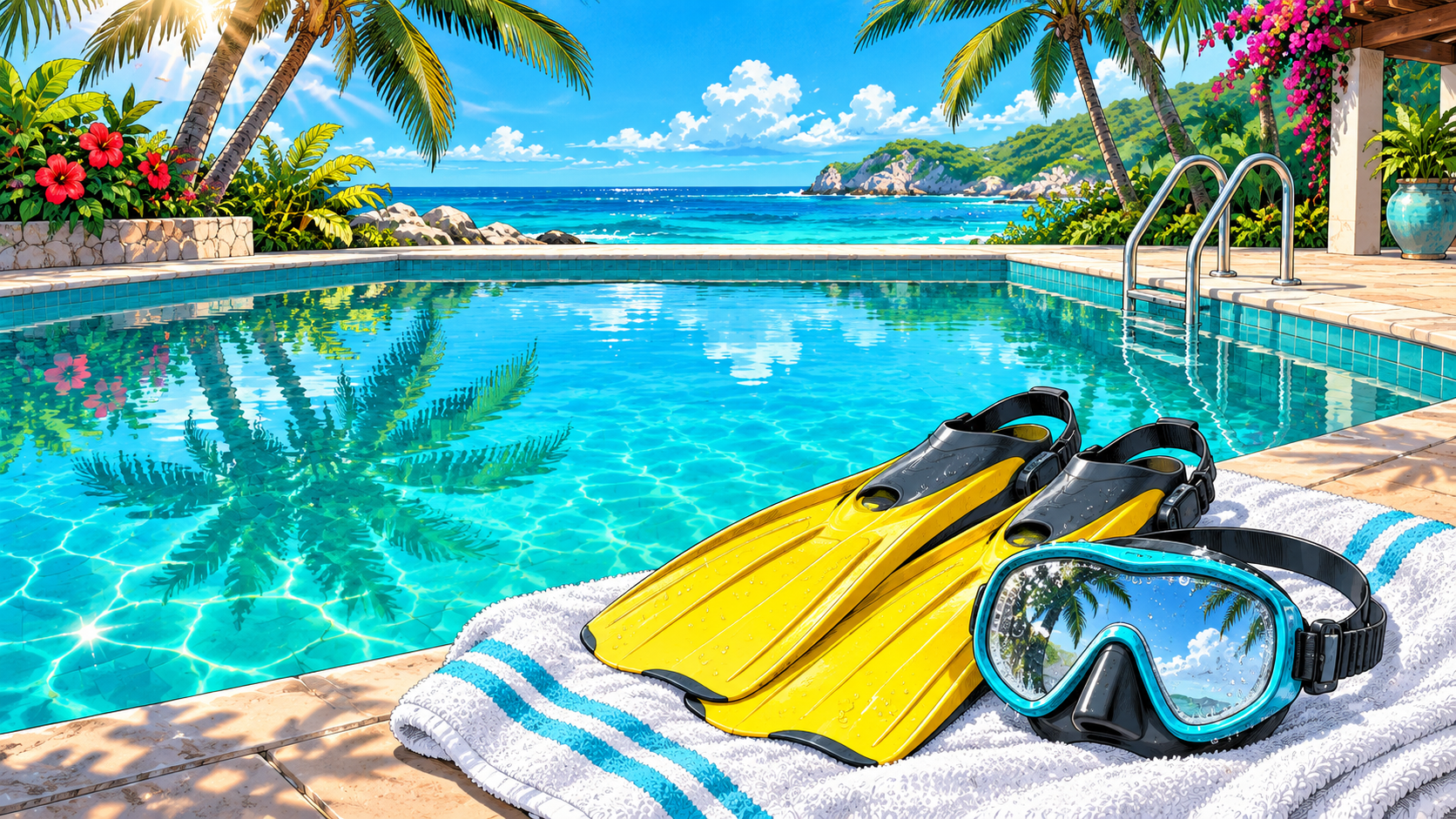
Choosing Your Next Dive Course
Beginners can first distinguish supervised experiences from entry-level certification. After foundational training, discuss advanced or specialty opti…

Choosing a First Ocean Dive
Explain your training, recent diving, health and concerns. Ask whether the day’s trip suits your experience rather than choosing only from photographs…
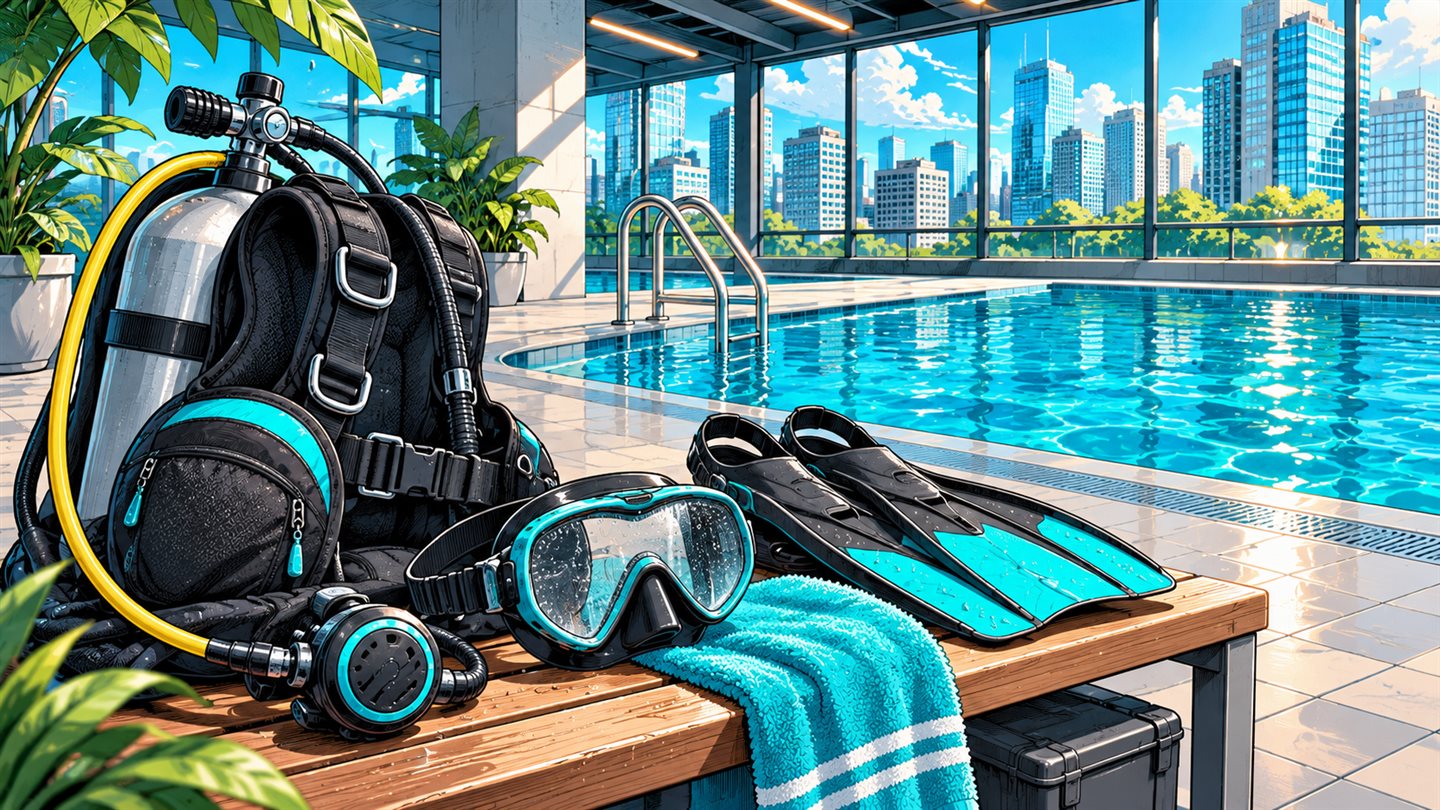
Keeping Dive Skills Current in a City
Living in a city need not mean thinking about diving only while travelling. Note when you last dived, prior skills, equipment condition and health cha…
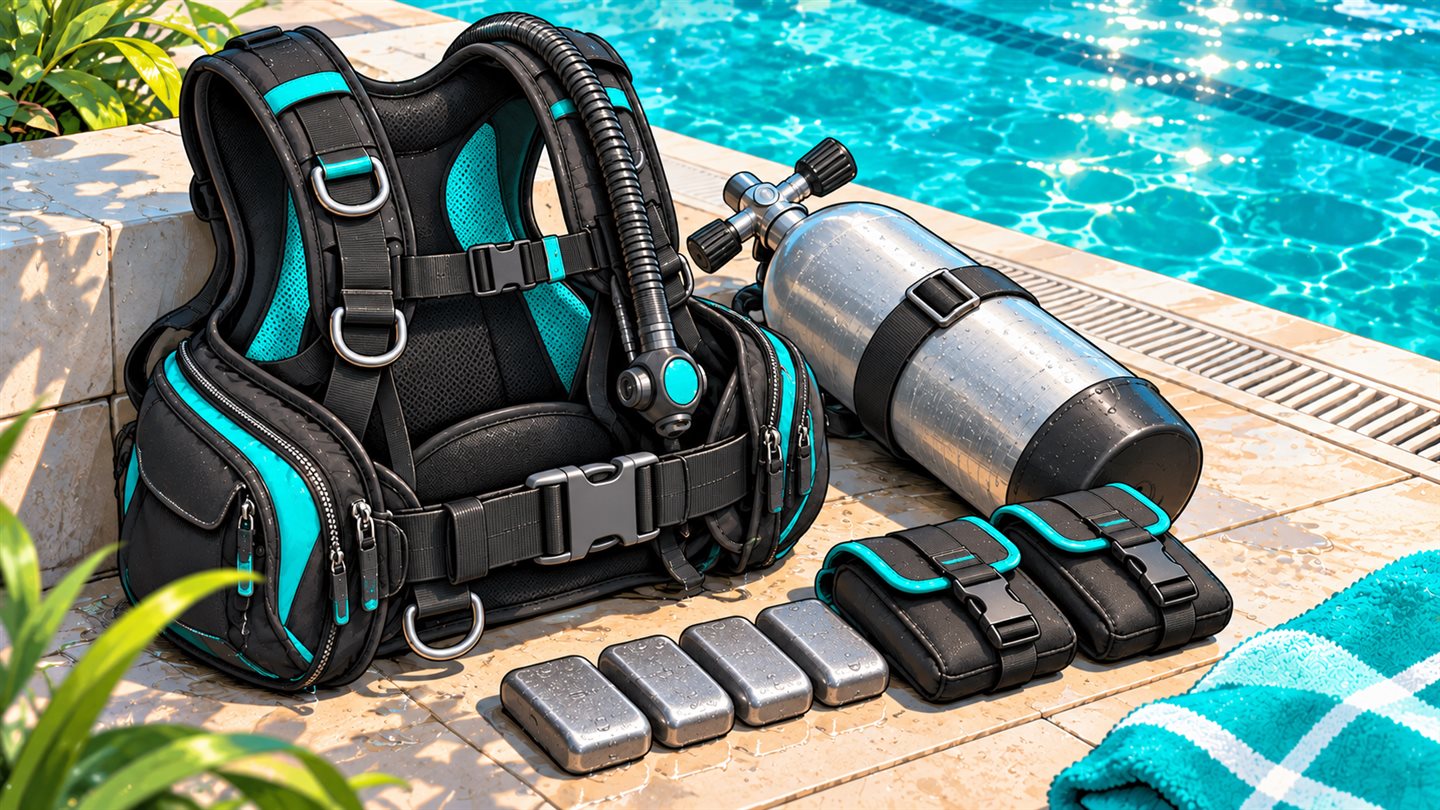
Practising Buoyancy
Stable buoyancy and body position help divers control their place in the water and reduce contact with the bottom or coral. Gear, weighting, breathing…

Open Water and Advanced Courses
Entry-level and advanced courses serve different purposes. An entry course builds scuba foundations; an advanced course generally introduces qualified…
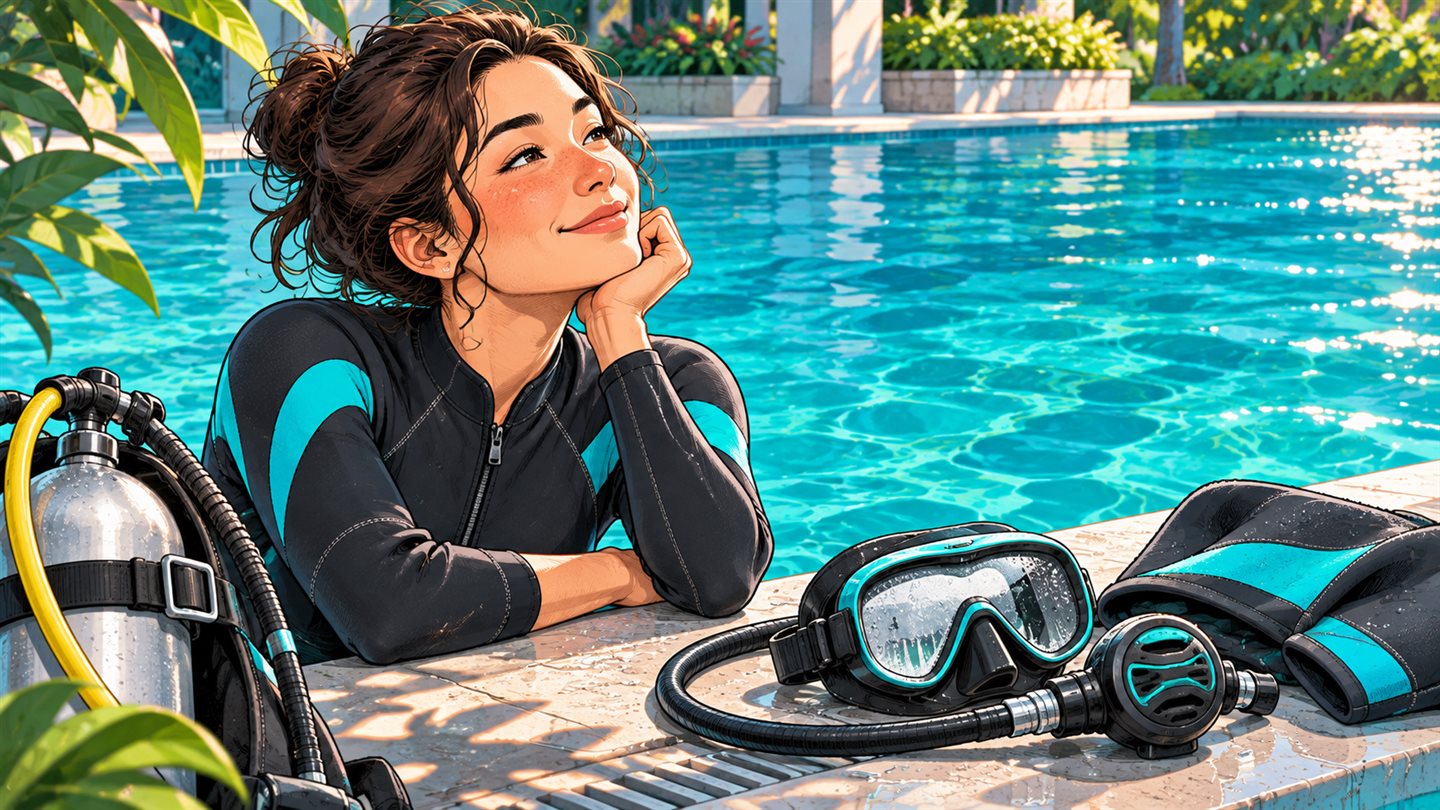
Claustrophobia and Diving
A mask, regulator, suit or underwater setting may feel restrictive to some people. Triggers and severity vary; an article cannot determine an individu…

Comparing PADI and SSI
PADI and SSI offer diver training, but scheduling, materials, prerequisites and services may differ. Identify what you want to learn and check current…
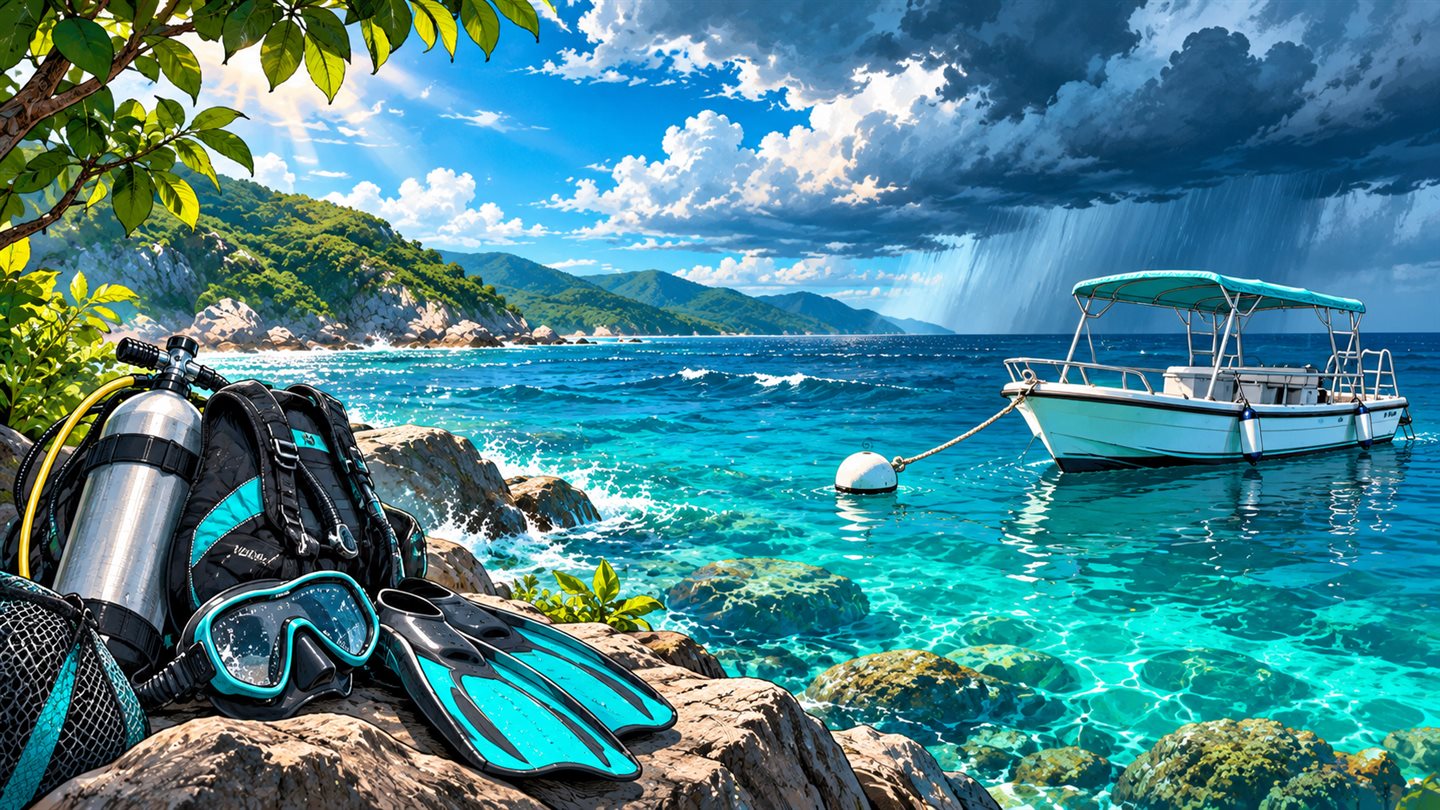
Understanding Diving Risk
Water, vessel traffic, weather, equipment condition, health, experience and buddy arrangements can all matter. No certification, item of gear or singl…
How Long Does Scuba Certification Take?
Time from enrolment to entry-level certification varies with the organisation, learner progress, venue, weather and instructor scheduling. Another per…

Children and Scuba
Organisations have different children’s programmes, minimum ages and restrictions. Guardians should check current agency standards and local rules and…
Planning a Learn-to-Dive Budget
Learn-to-dive costs vary by location, provider, venue and programme. Check what each quote includes before comparing it with your schedule and needs; …
Fitness for Diving
Recreational diving may appear relaxed, but carrying gear, boarding a boat, surface swimming, waves or currents can increase exertion. Demands vary wi…

Learning to Dive Later in Life
Age alone does not determine fitness to dive. DAN emphasises individual health and physical capability, while training agencies and operators may also…

Feeling Anxious Before a Dive
Unfamiliar equipment, conditions or past experiences can make people anxious near water. Tell an instructor, buddy or operator what concerns you rathe…

Choosing a Dive Depth
Depth depends on training, experience, health, gas, buddy and environment. Agencies, courses and age groups may have different requirements; an online…
Does a Scuba Certification Expire?
PADI states that its recreational scuba certifications do not expire. However, equipment handling, buoyancy and emergency skills may need refreshing a…

The Dive Medical Questionnaire
The dive medical questionnaire identifies conditions that may need further medical evaluation. Versions and requirements can vary; ask the training or…

Trying Scuba Before Certification
Some training organisations offer supervised introductory scuba experiences for people who are not certified. Such an experience is not permission to …

Swimming Skills and Scuba
Requirements can differ between an introductory experience and a certification course. Ask the training organisation and instructor rather than assumi…
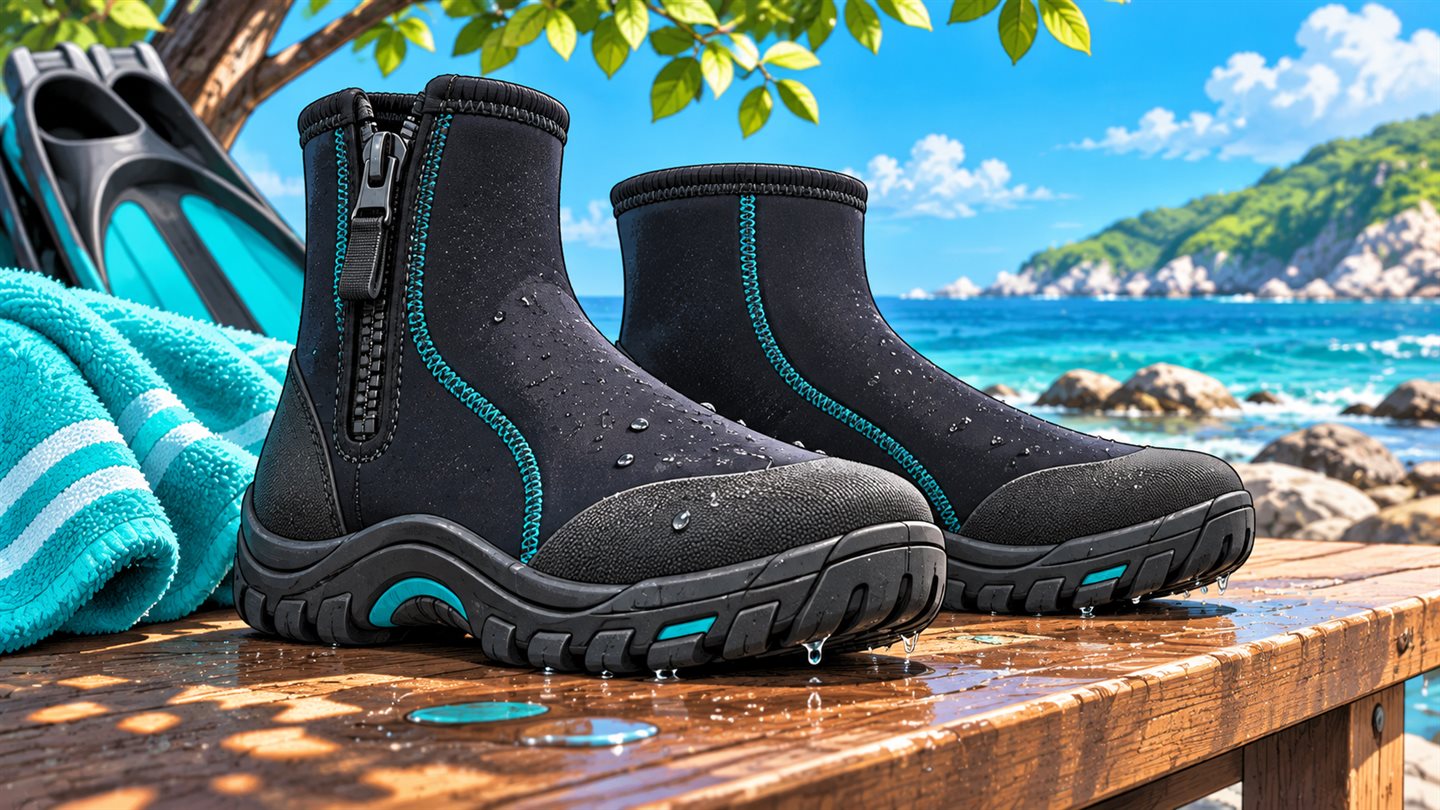
Choosing Dive Boots
Thickness, sole and shape affect warmth, walking and packing. Consider water temperature, shore terrain, time on the boat and personal comfort; check …
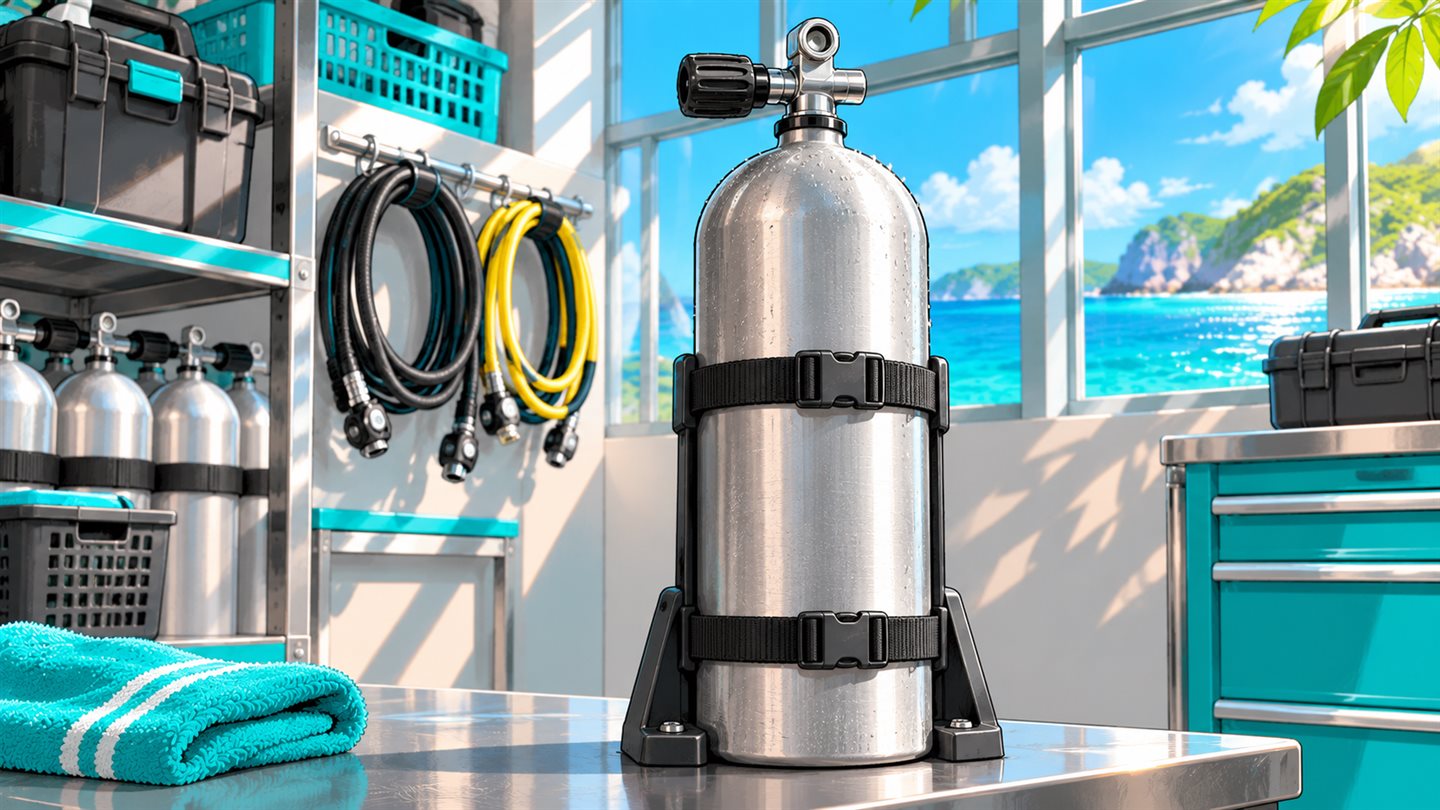
Choosing a Scuba Cylinder
Capacity, working pressure, material, valve and inspection status all matter. Ask a qualified fill station or equipment professional about the gas sup…
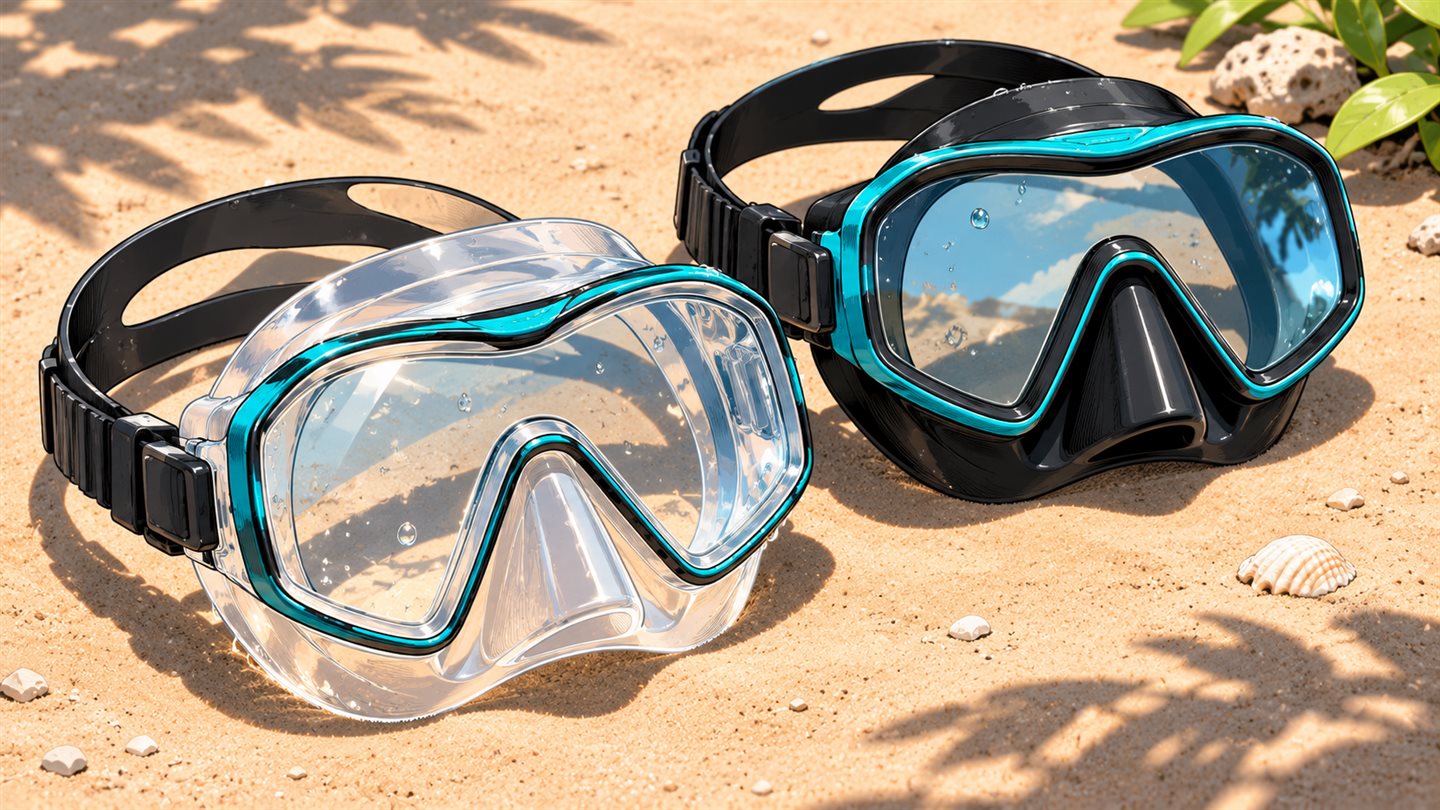
Choosing Your First Dive Mask
Colour and styling are easy to notice, but fit, comfort and intended use deserve attention first. Skirts, nose pockets and frames differ between brand…

Choosing a BCD
A BCD is part of a complete dive system. Consider your training, normal conditions, travel, exposure suit and other equipment. Different designs suit …
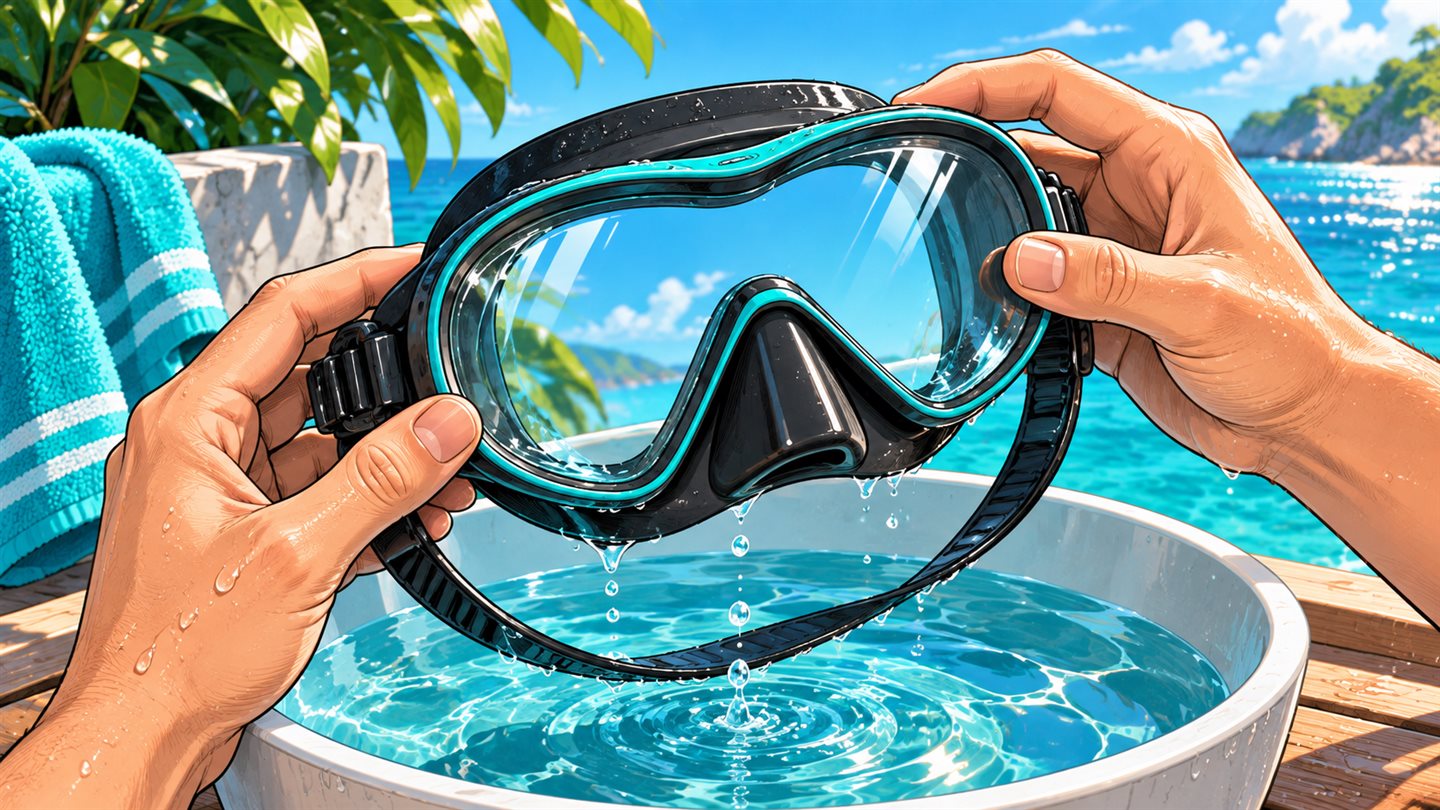
Toothpaste on a New Mask?
Online advice sometimes recommends toothpaste for new masks, and some sources discuss the method. Lens materials and coatings differ, so the same trea…
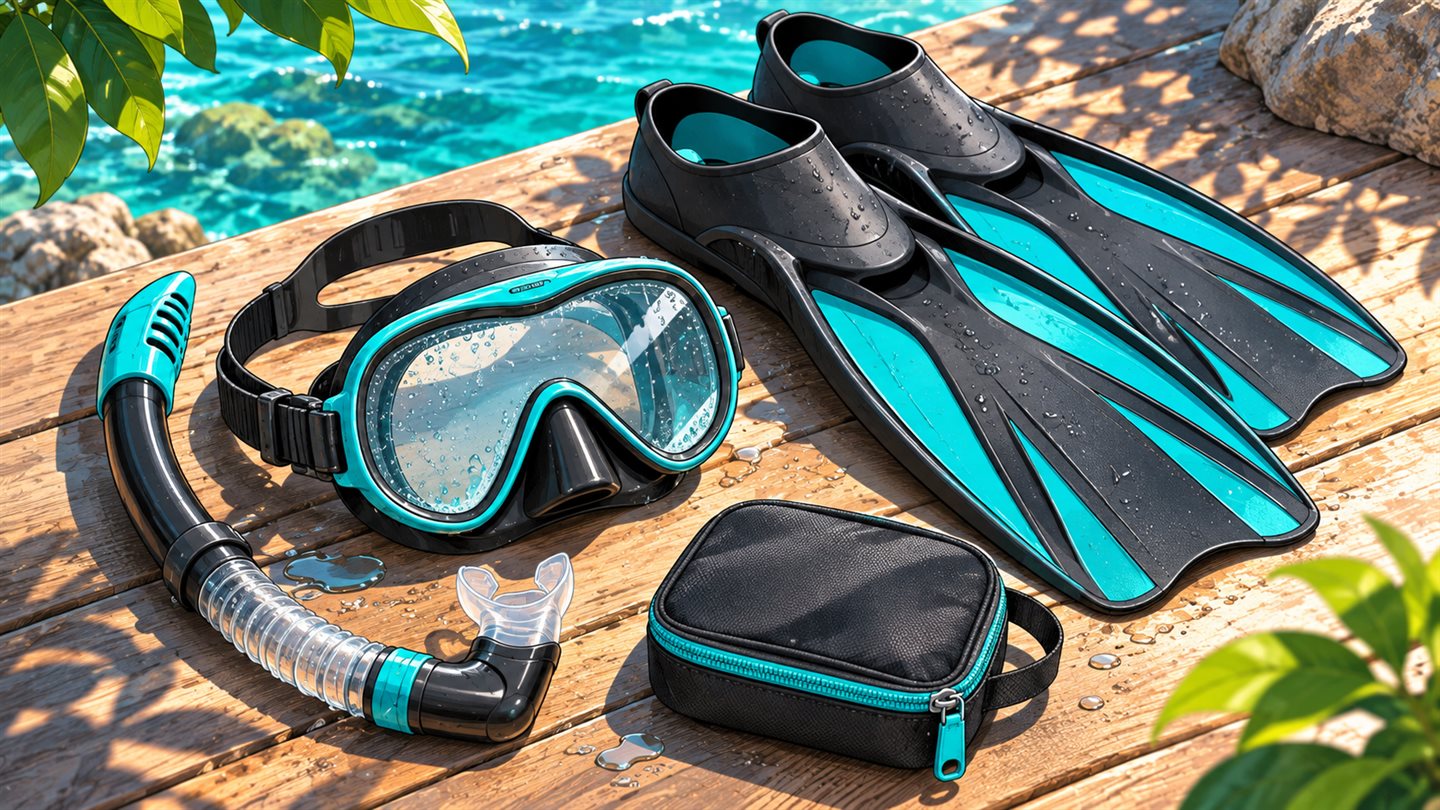
Budgeting for Dive Gear
List masks, fins, exposure protection and other equipment required for a course or trip, and check what rental or the course includes. Prices vary by …

When Should Dive Gear Be Serviced?
Rinsing and drying are routine care; a pre-use check assesses condition; servicing by qualified technicians can involve specialist inspection and repa…

Comparing Cylinder Inspection Quotes
Services can differ in procedures, valve work and documentation. Request an itemised quote, turnaround time and possible additional fees. This article…
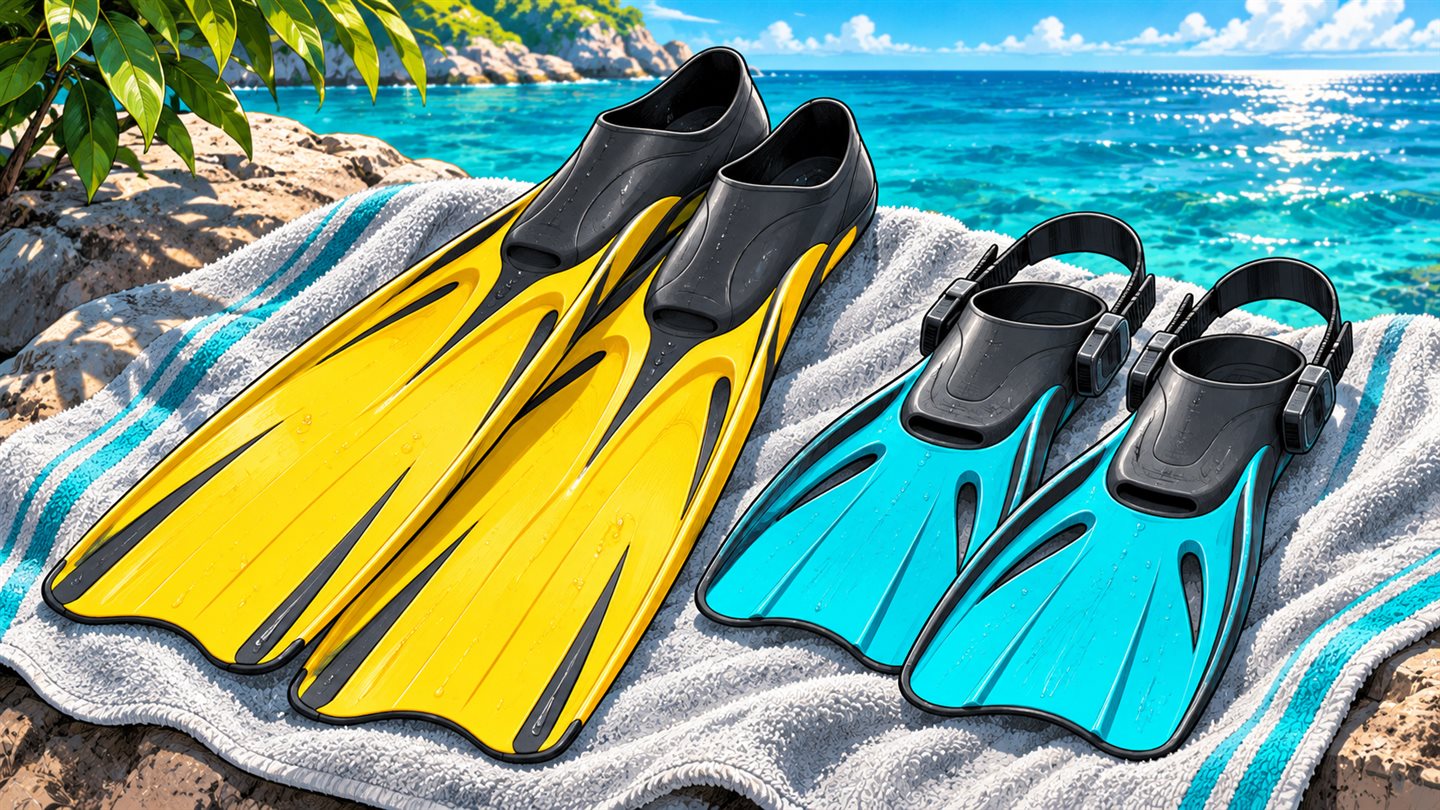
Finding Your Fins
No single fin suits everyone. Start with your activity, conditions, travel needs and footwear. Trying fins on—and trying them in suitable conditions w…
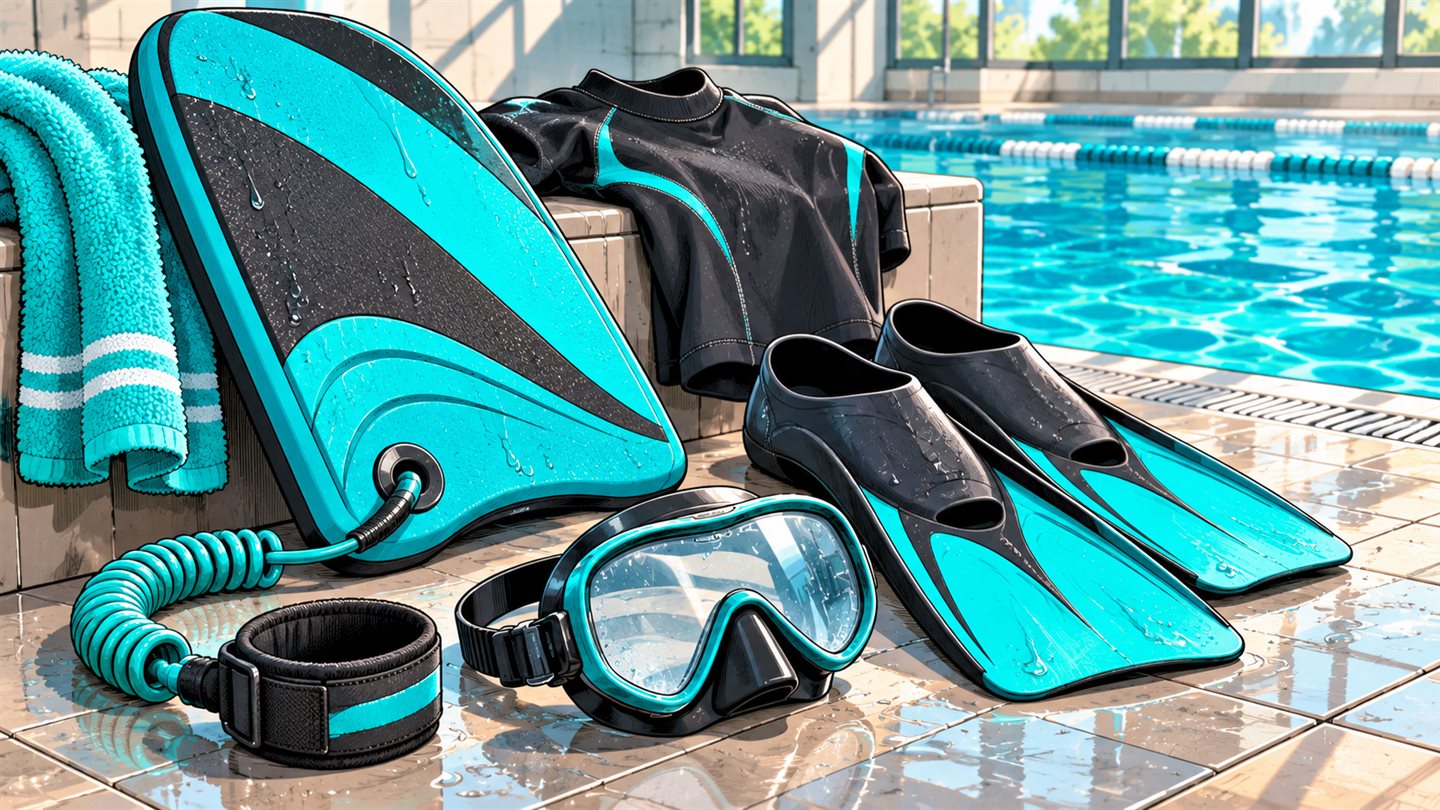
Bodyboarding Essentials
Consider surf, wind, tide, other water users and your ability. Check local beach rules, lifeguard availability and the forecast; do not enter conditio…
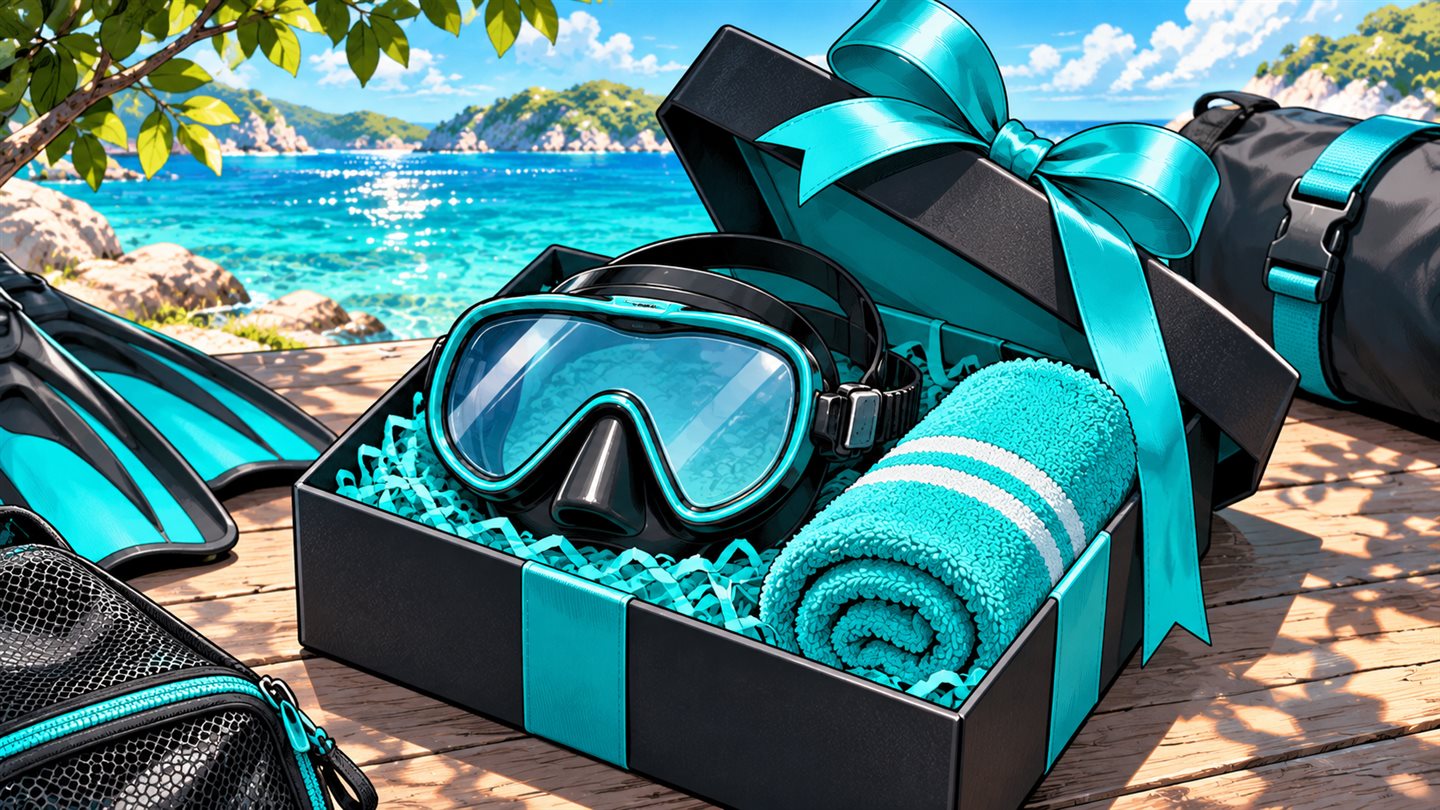
Gifts for Divers
Scuba, freediving and snorkelling have different needs. Ask where the recipient goes, what they already own and what is practical to carry.…
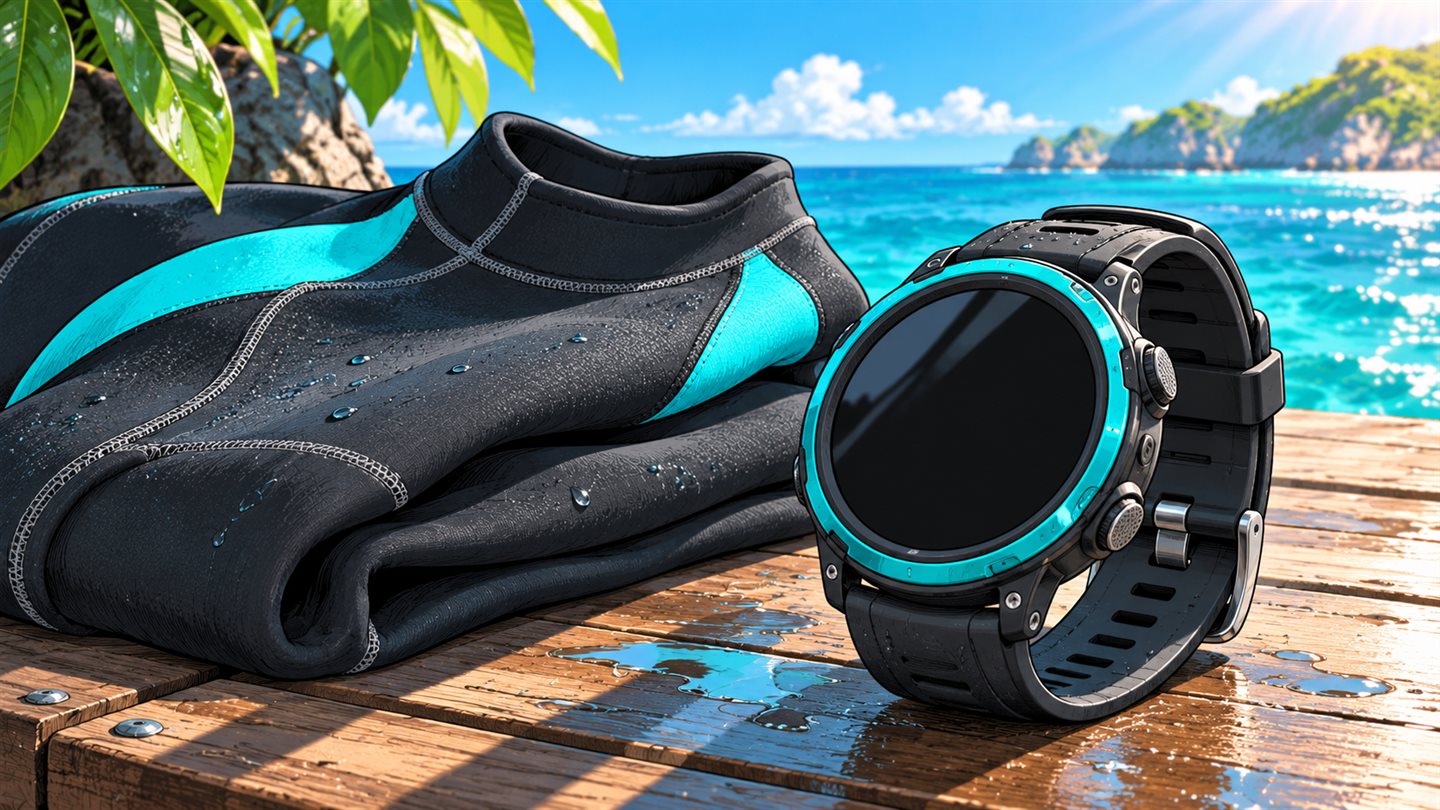
Choosing a Dive Computer
Compare display readability, controls, language and wearing comfort. Consider different lighting and whether the controls work for you while wearing g…
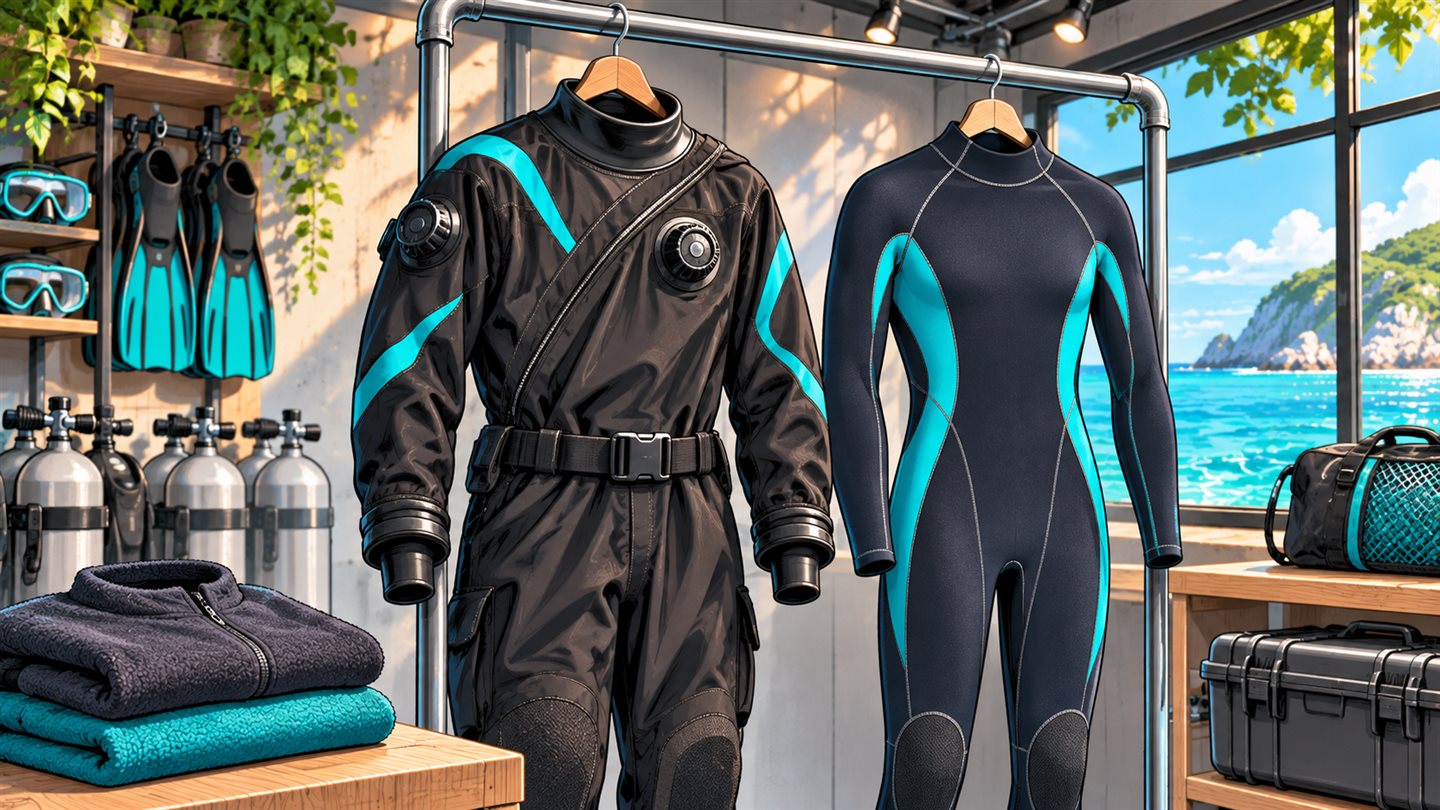
Wetsuit or Drysuit?
Water temperature is only one part of exposure protection. Dive duration, weather, warmth on the boat, personal tolerance and fit also affect comfort.…
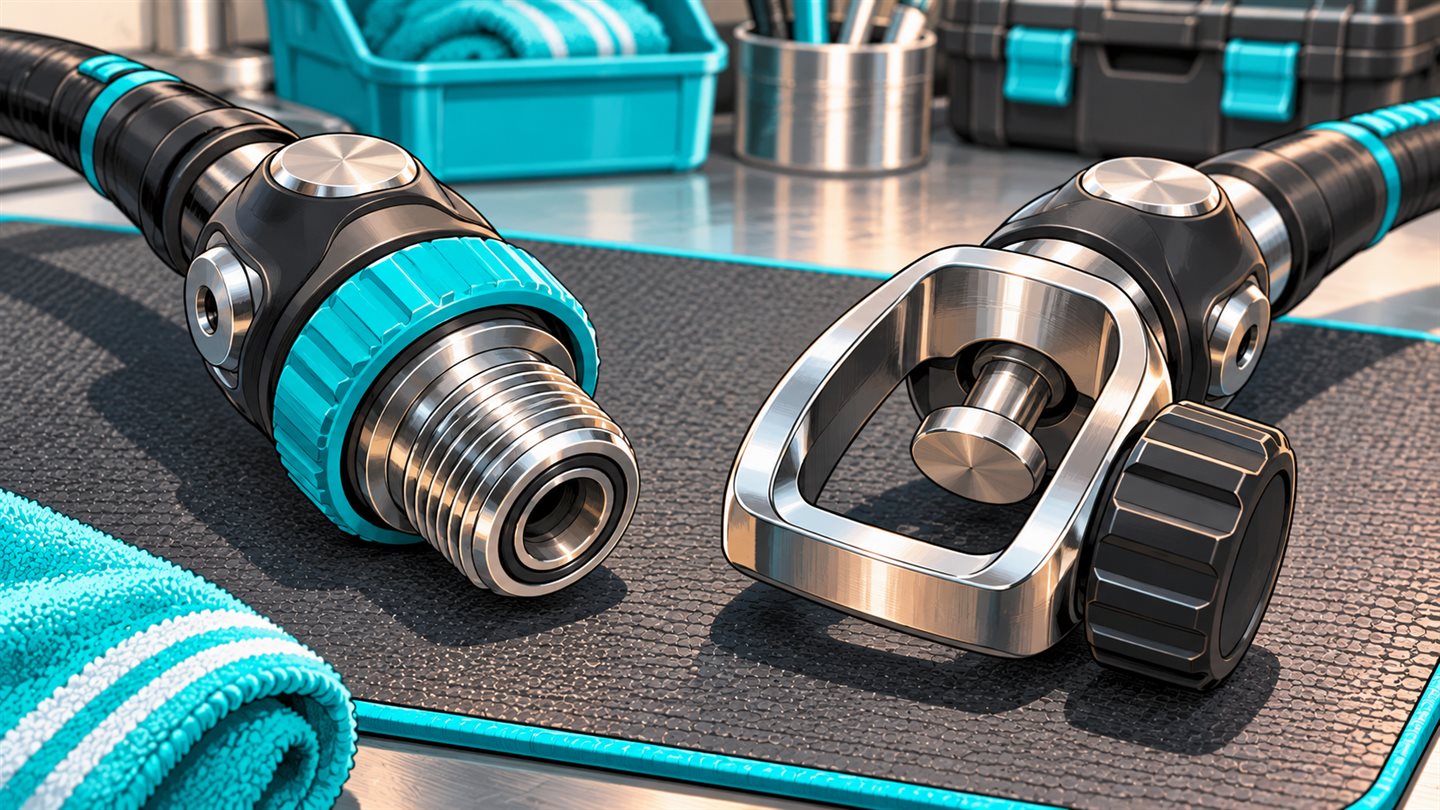
DIN and Yoke Connections
DIN and yoke are common regulator-to-cylinder-valve connection styles with different mechanical arrangements. Consider the specifications of the entir…
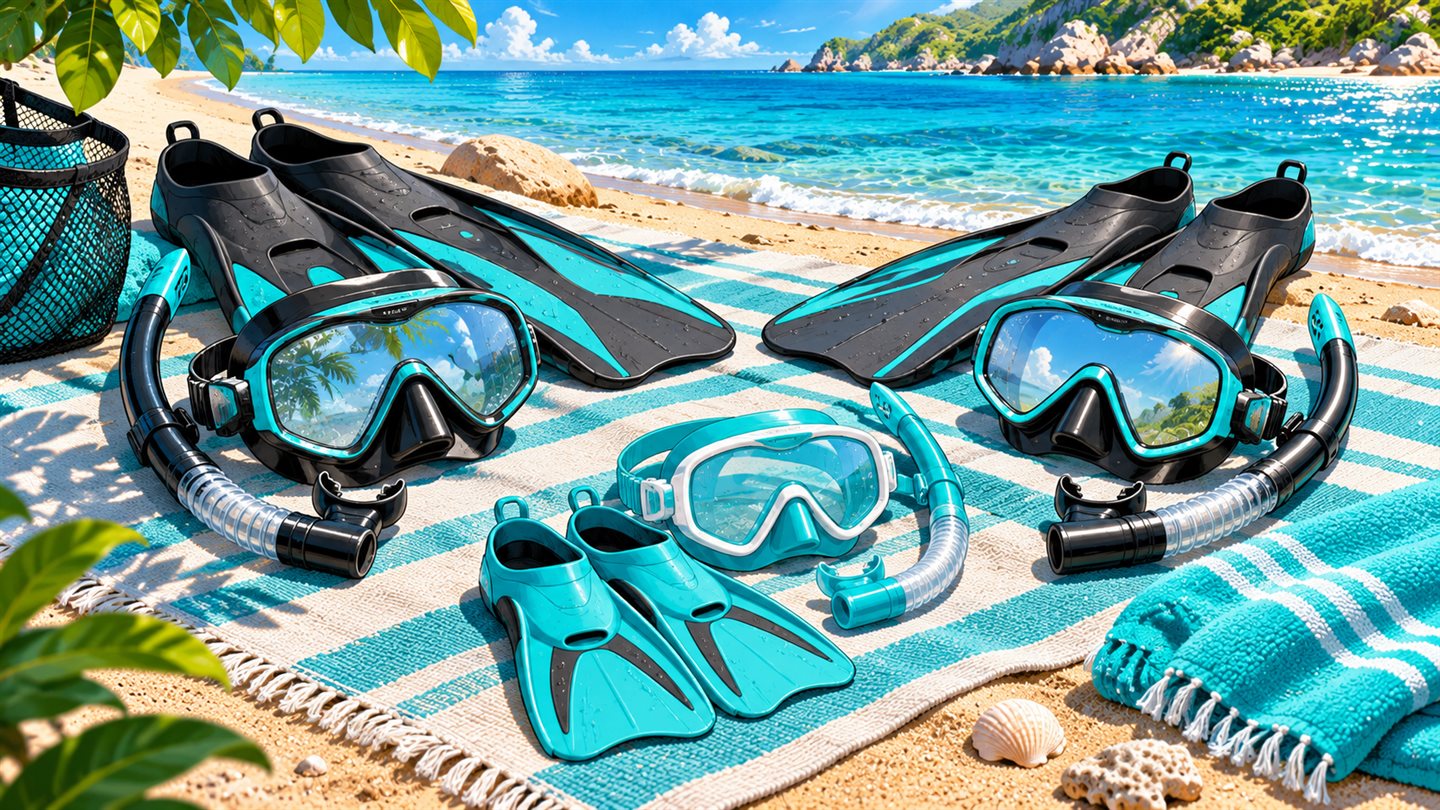
A Family Snorkelling Checklist
Choose mask, snorkel, fins and any thermal or flotation equipment for the user’s size, ability and setting. Adult gear tightened down is not automatic…
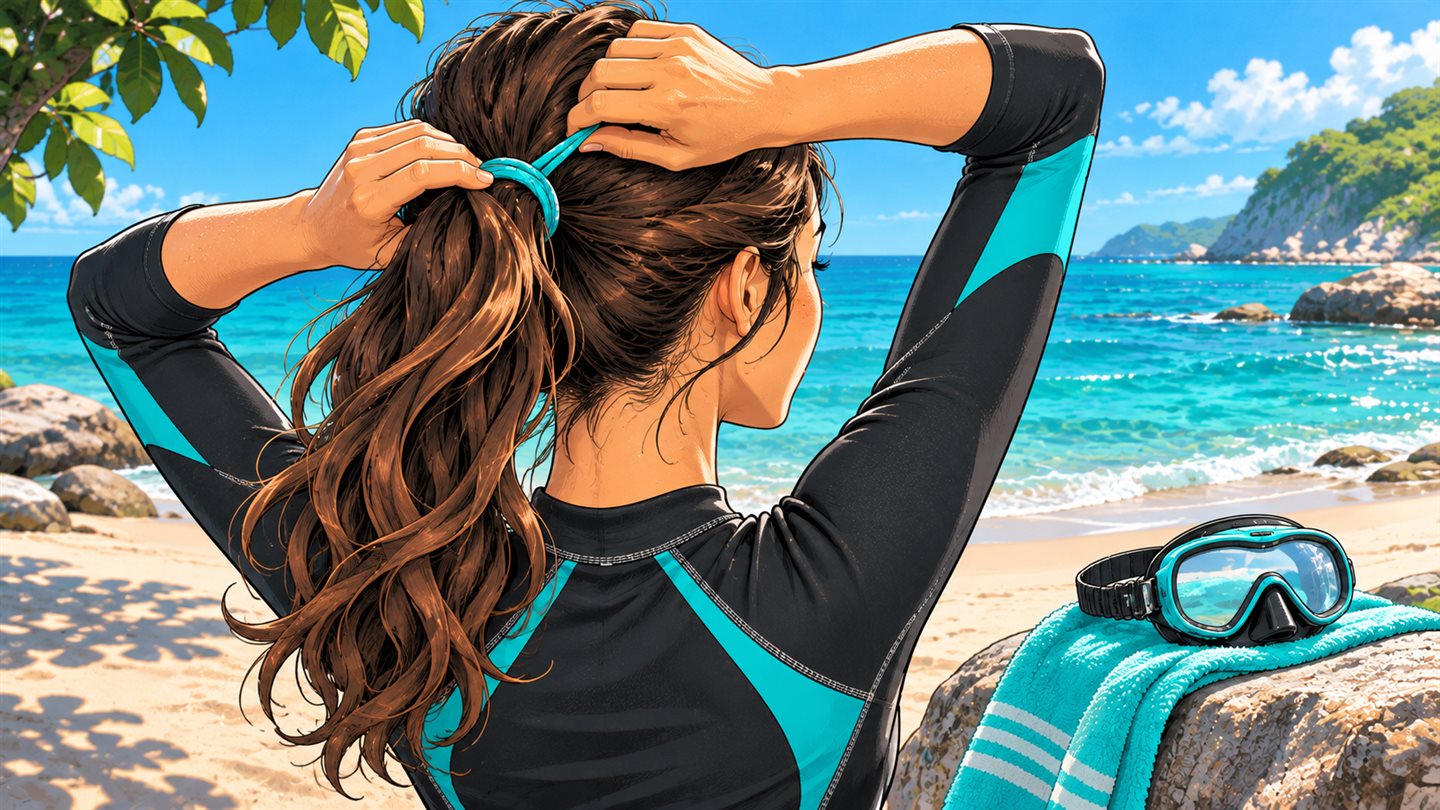
Diving with Long Hair
Hair between the mask skirt and skin can affect fit. Move loose strands away when trying a mask, and avoid simply overtightening the strap to address …

Finding a Wetsuit That Fits
A wetsuit should fit appropriately while allowing comfortable movement and breathing. Excess looseness can affect insulation and excessive tightness c…
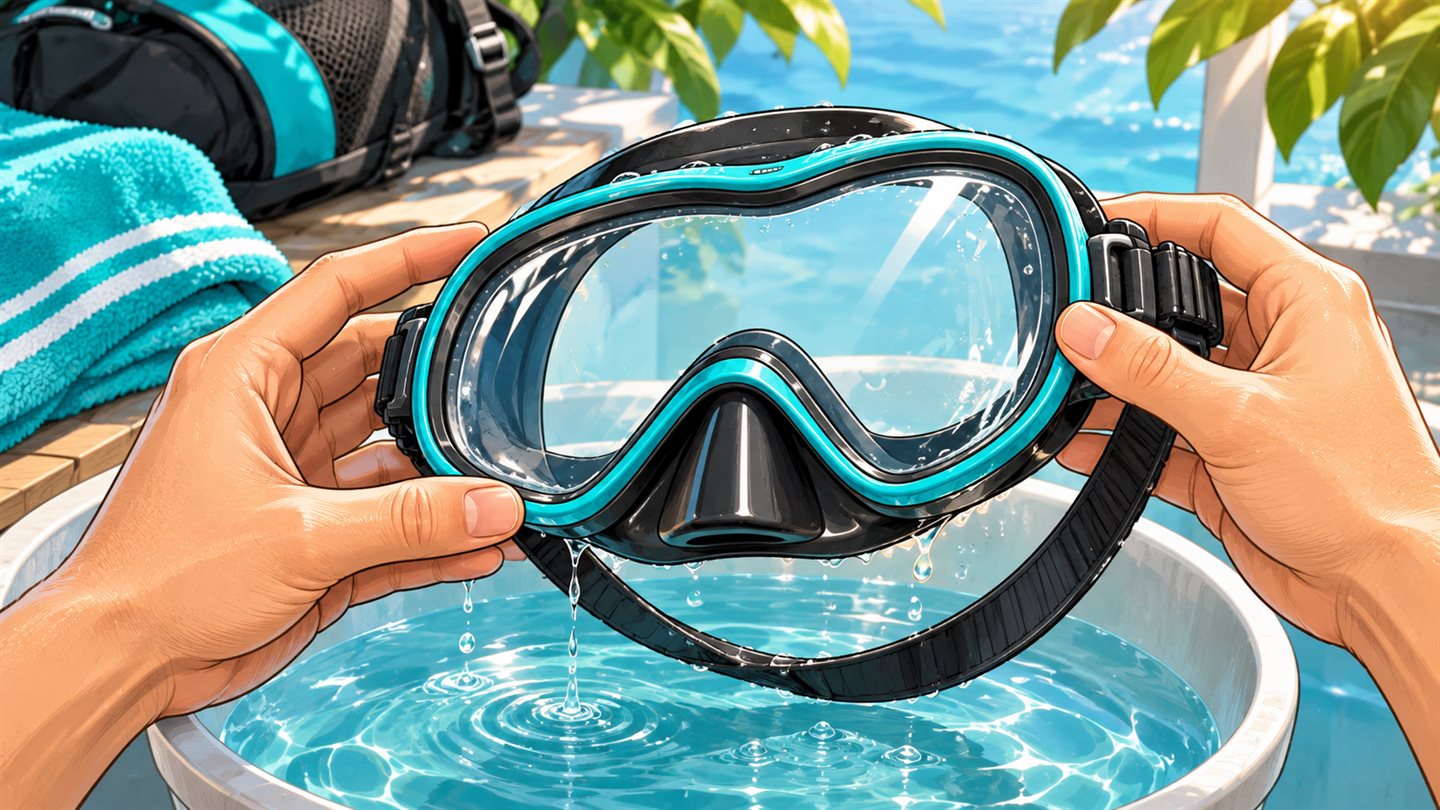
Preparing a New Mask
New masks differ in lens, coating and skirt materials. Read manufacturer preparation and care guidance first, including compatible cleaners; ask the b…
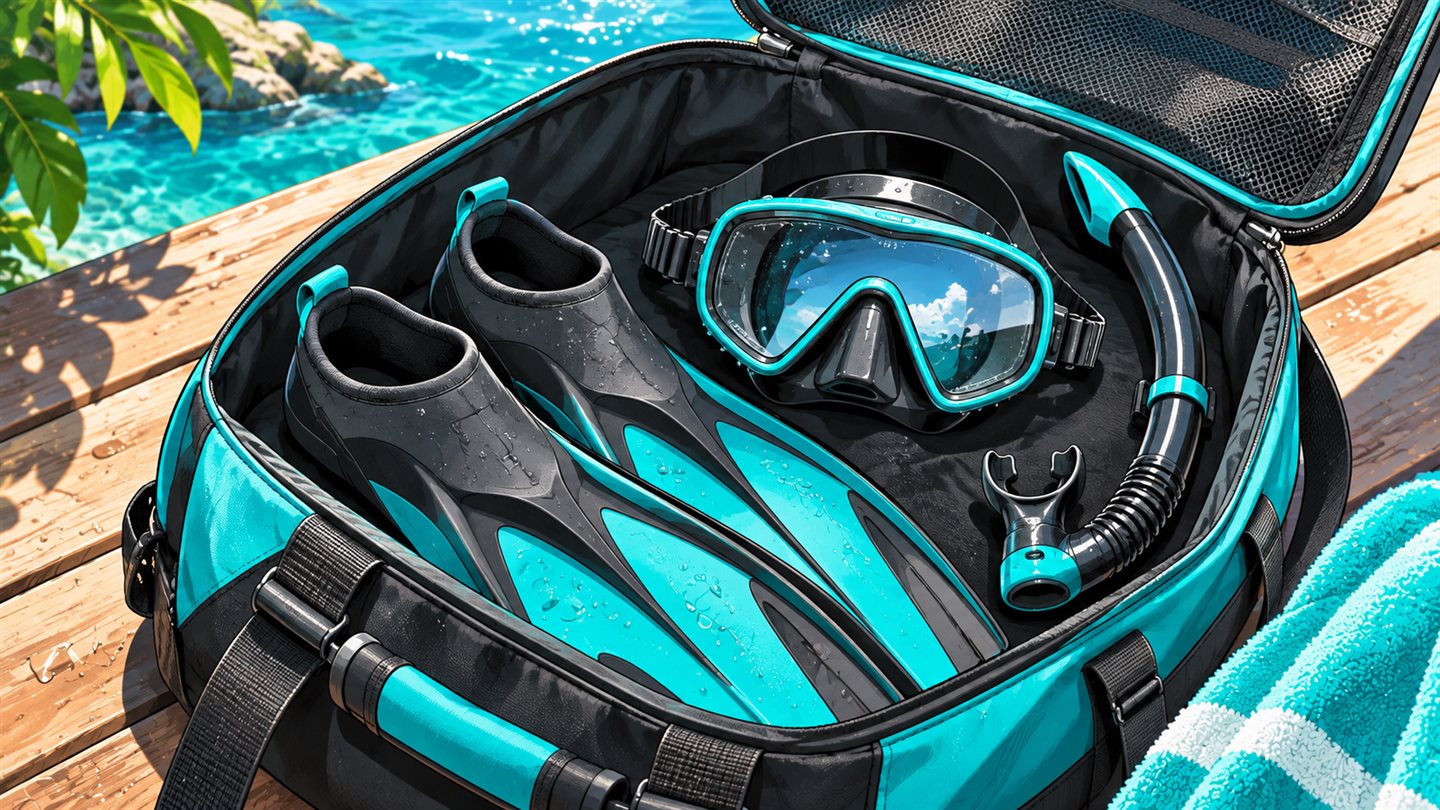
Your First Piece of Dive Gear
You do not have to buy a full kit at once. Course arrangements, rental availability, travel frequency and budget affect the order. Ask the dive centre…
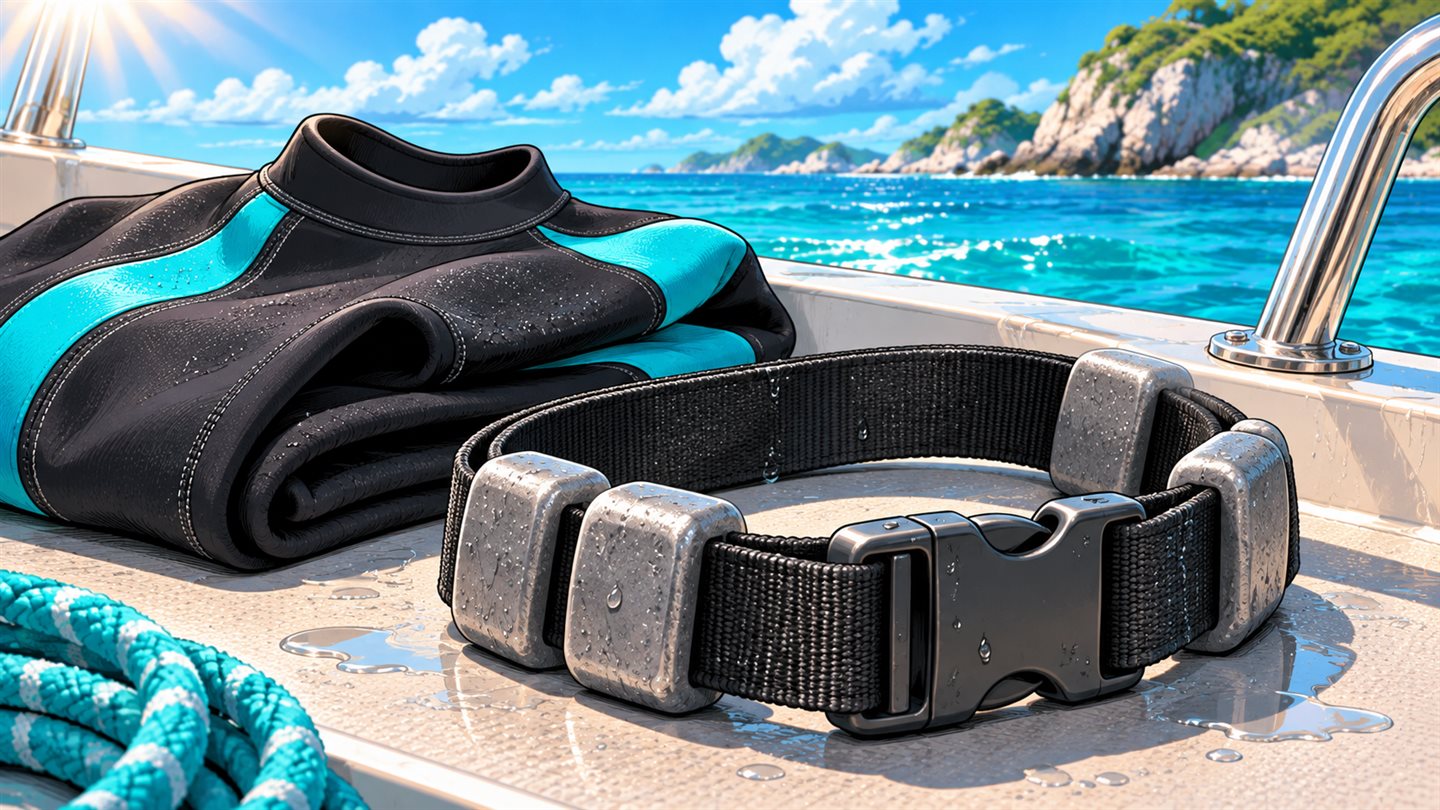
Rechecking Dive Weighting
Suit thickness, cylinder type, other equipment and fresh versus salt water affect buoyancy. Even if body weight is unchanged, the previous amount may …
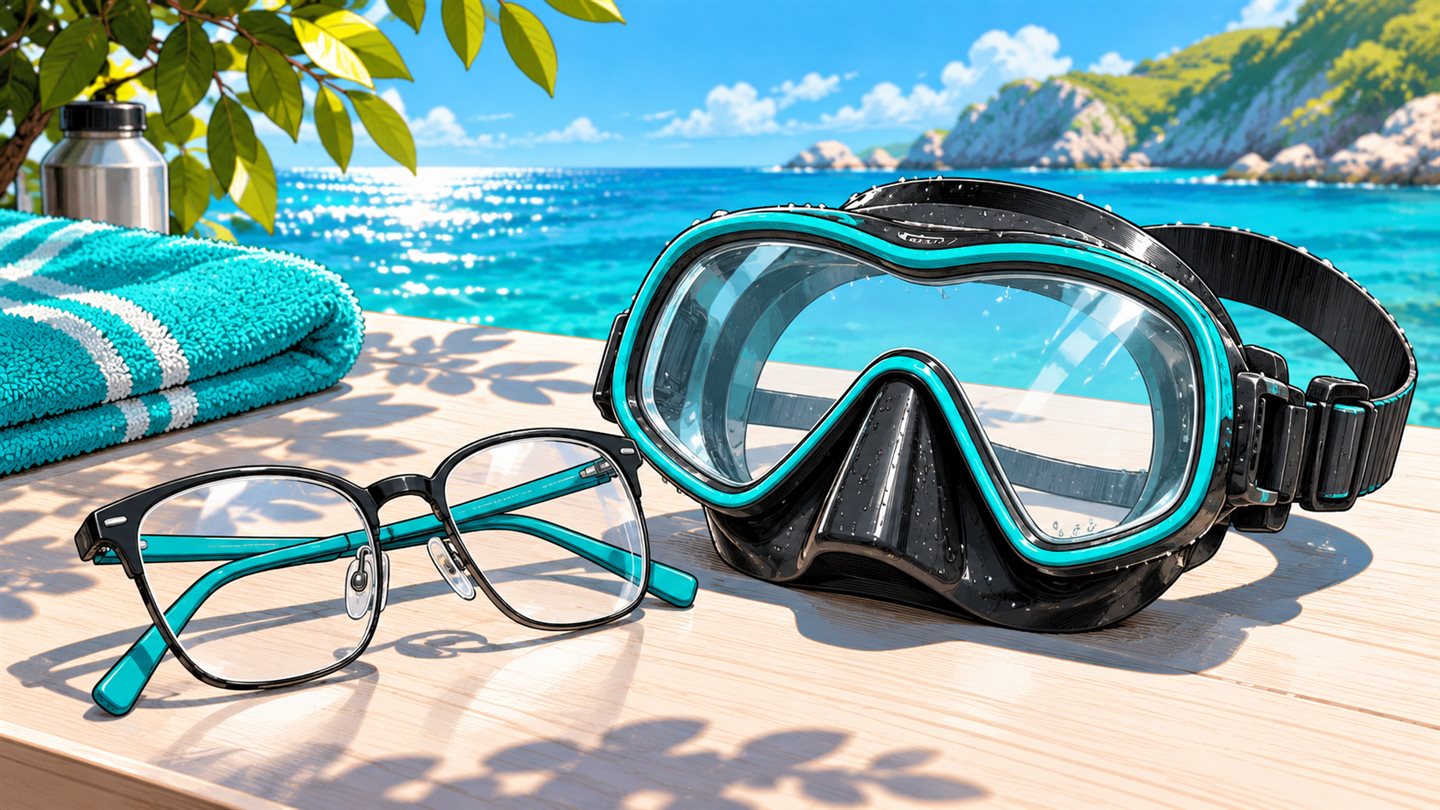
Vision and Dive Masks
If you normally wear glasses, discuss distance, near vision and astigmatism with an eye-care professional. Consider whether you can read instruments a…

Cylinder Inspection Records
A cylinder holds high-pressure gas. Use, handling, corrosion and storage can affect condition. DAN recommends attention to periodic inspection and mai…
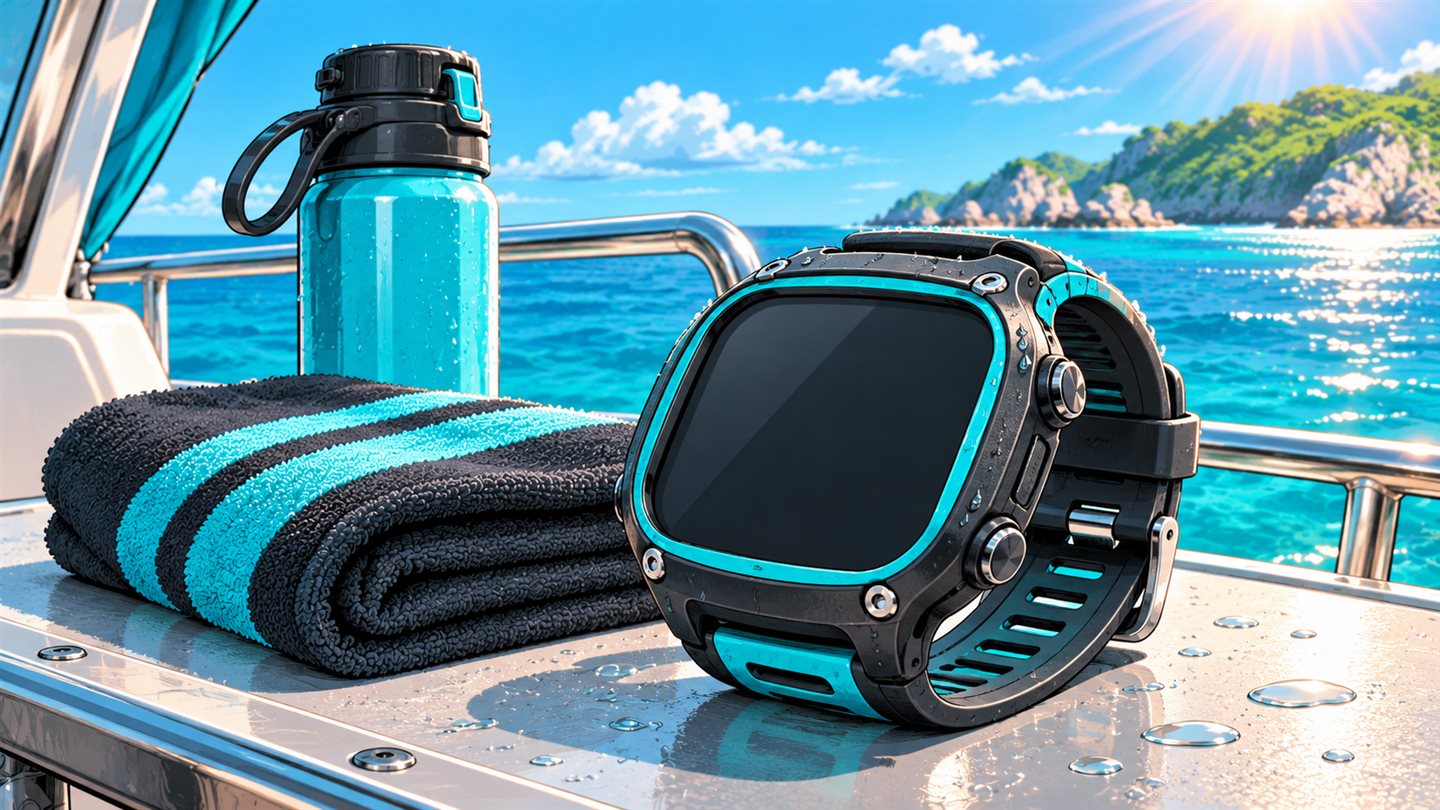
Biometrics and Dive Computers
Some devices provide metrics such as heart rate or connect to sensors. Check the exact manufacturer documentation for availability, measurement and wh…
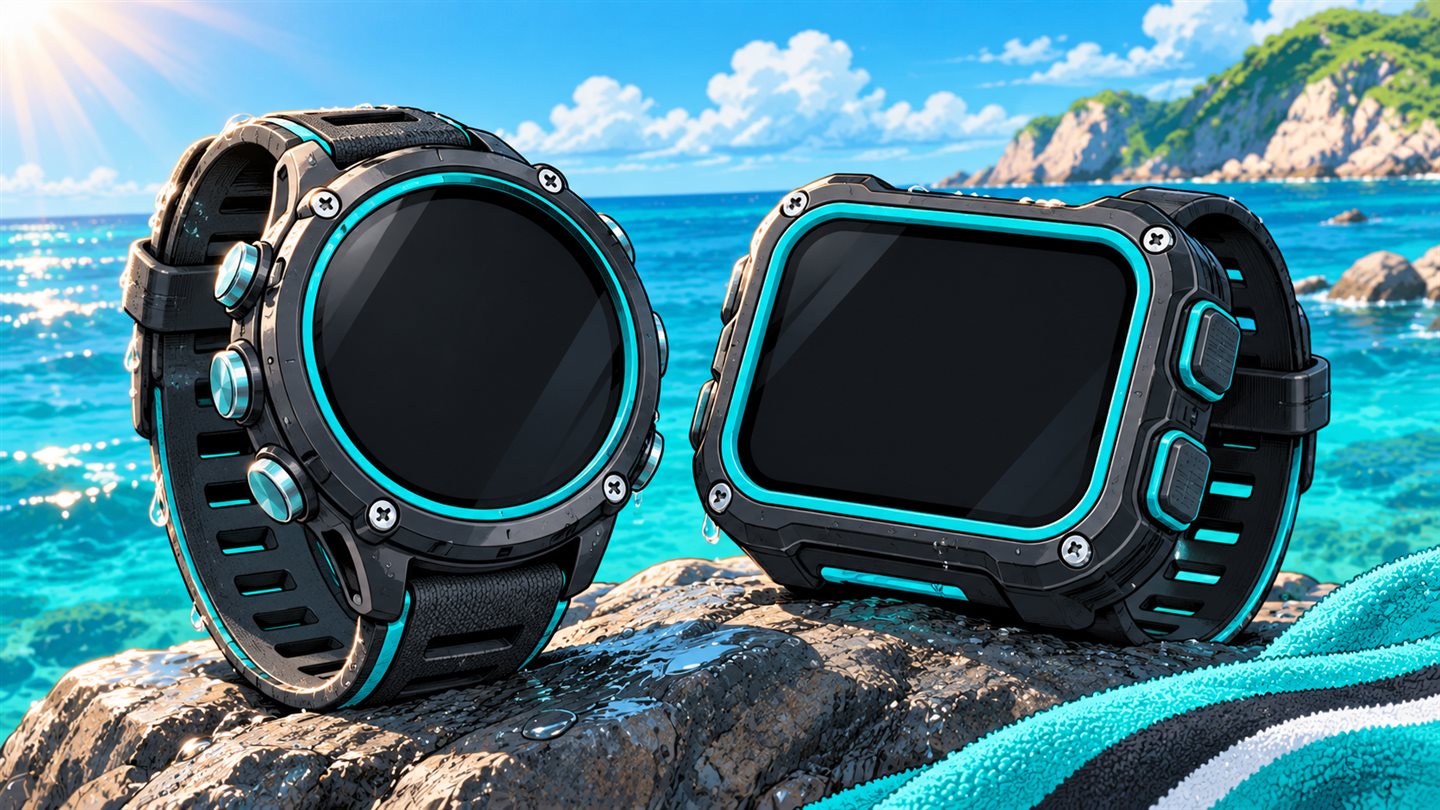
Dive Computer Algorithms
A dive computer uses inputs such as gas, depth and time within its model to provide information. Models, settings, displays and limitations differ; co…
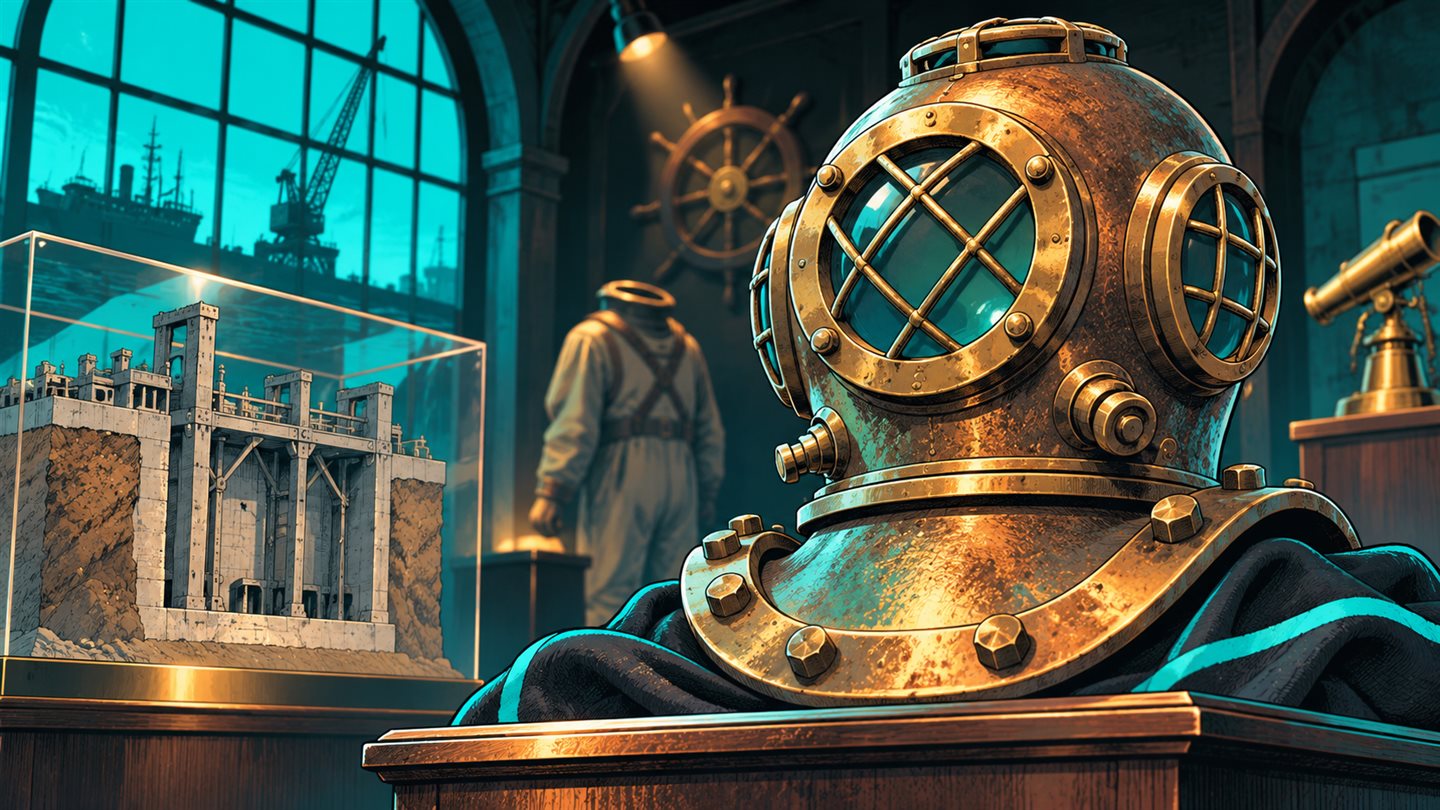
From Caisson Disease to Dive Computers
Workers in early pressurised caissons and underground construction sometimes developed serious symptoms after leaving pressure. These observations hel…

Turn Pressure and Gas Reserve
A dive plan may specify a pressure at which to turn or begin ending the dive, as well as gas reserved for ascent, sharing and delays. Terminology and …

Limits of Diving Rules of Thumb
A mnemonic can help memory but may omit depth, duration, conditions, gas and individual factors. Ask about its definition, source, assumptions and int…

Immersion Diuresis
Many people notice an urge to urinate when swimming or diving. DAN calls the immersion-related response immersion diuresis. Cold water can make it mor…
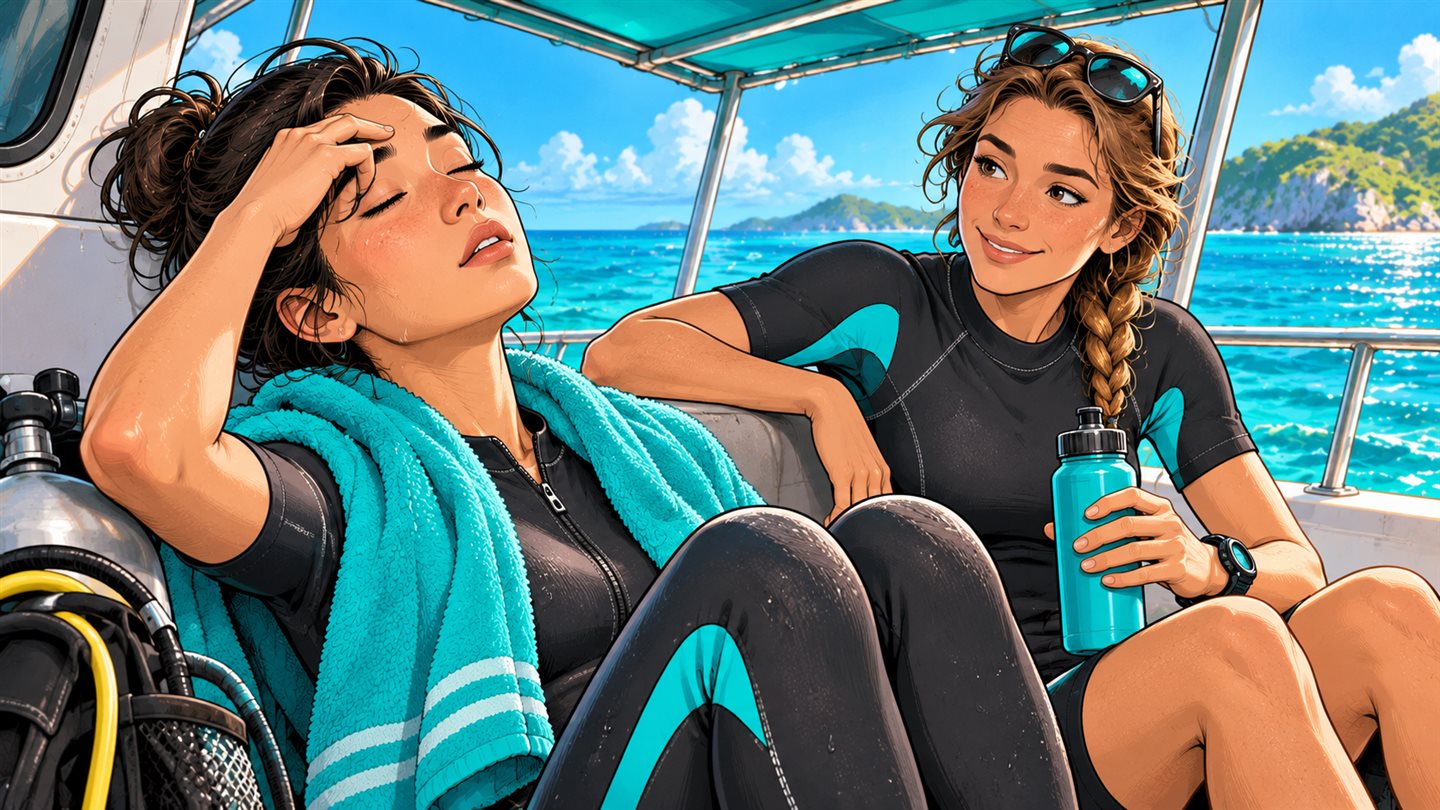
Fatigue After Diving
Travel, sleep, carrying gear, weather, thermal comfort and exertion can affect how someone feels after a dive. But the cause cannot be determined simp…
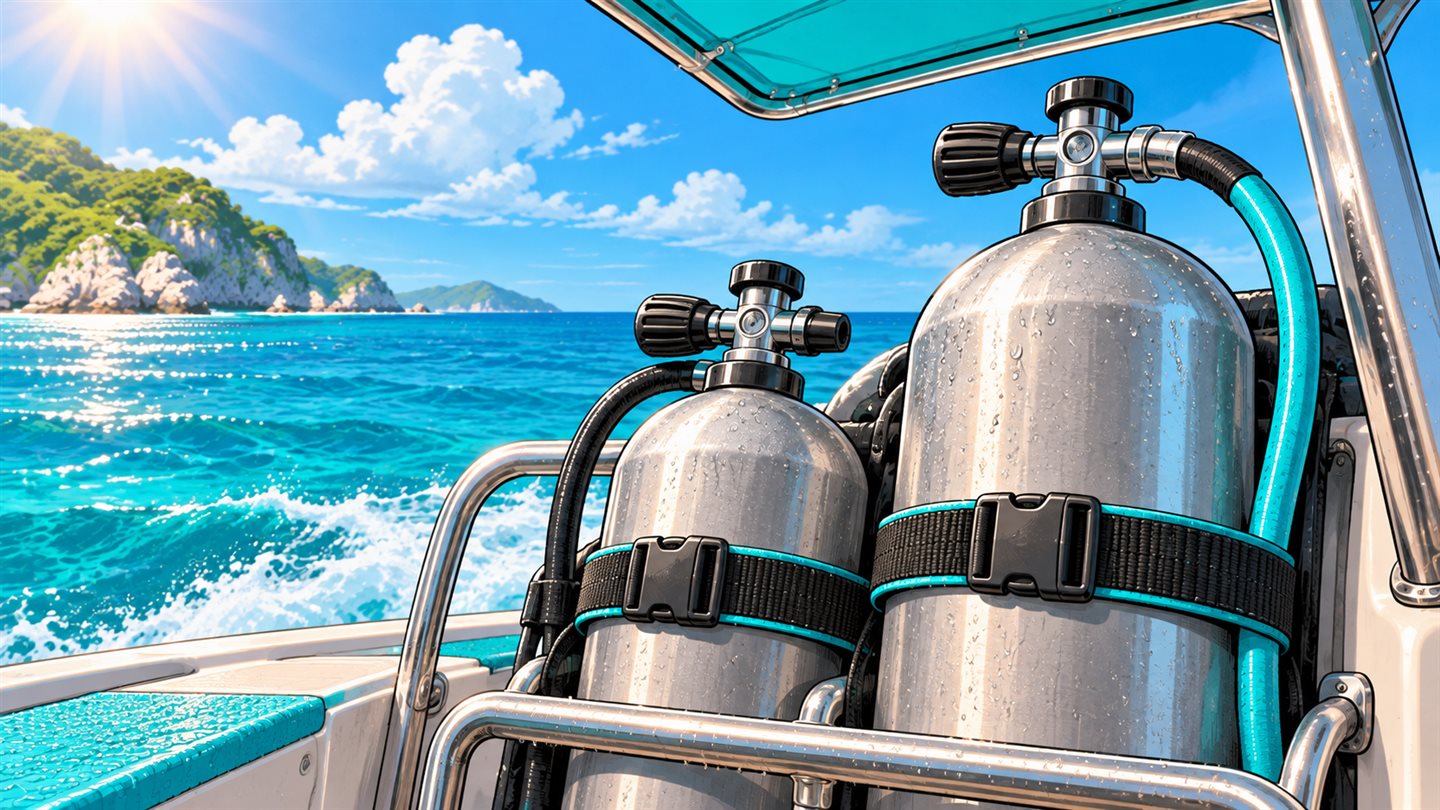
Why Gas Use Varies
Breathing-gas use varies with depth, exertion, equipment and individual condition. Current, additional work and changing conditions can make actual us…
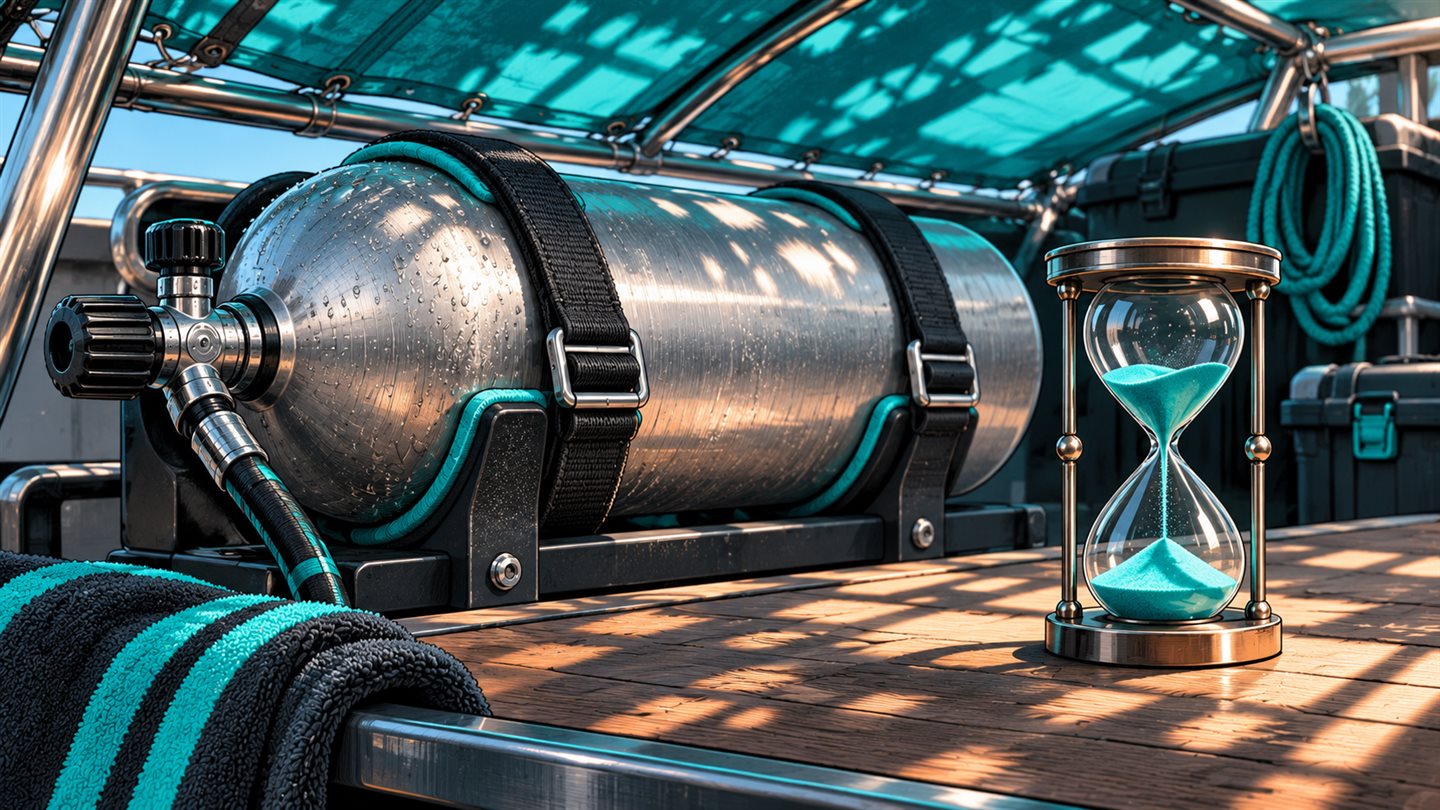
How Long Does a Cylinder Last?
Cylinder capacity, starting pressure, depth, exertion and individual gas use all affect duration. Cylinder size or a buddy’s time cannot establish you…

Heat Loss in Water
Water carries heat away from the body. DAN notes that even apparently warm water can lead to gradual cooling during prolonged immersion. Time, wind, r…
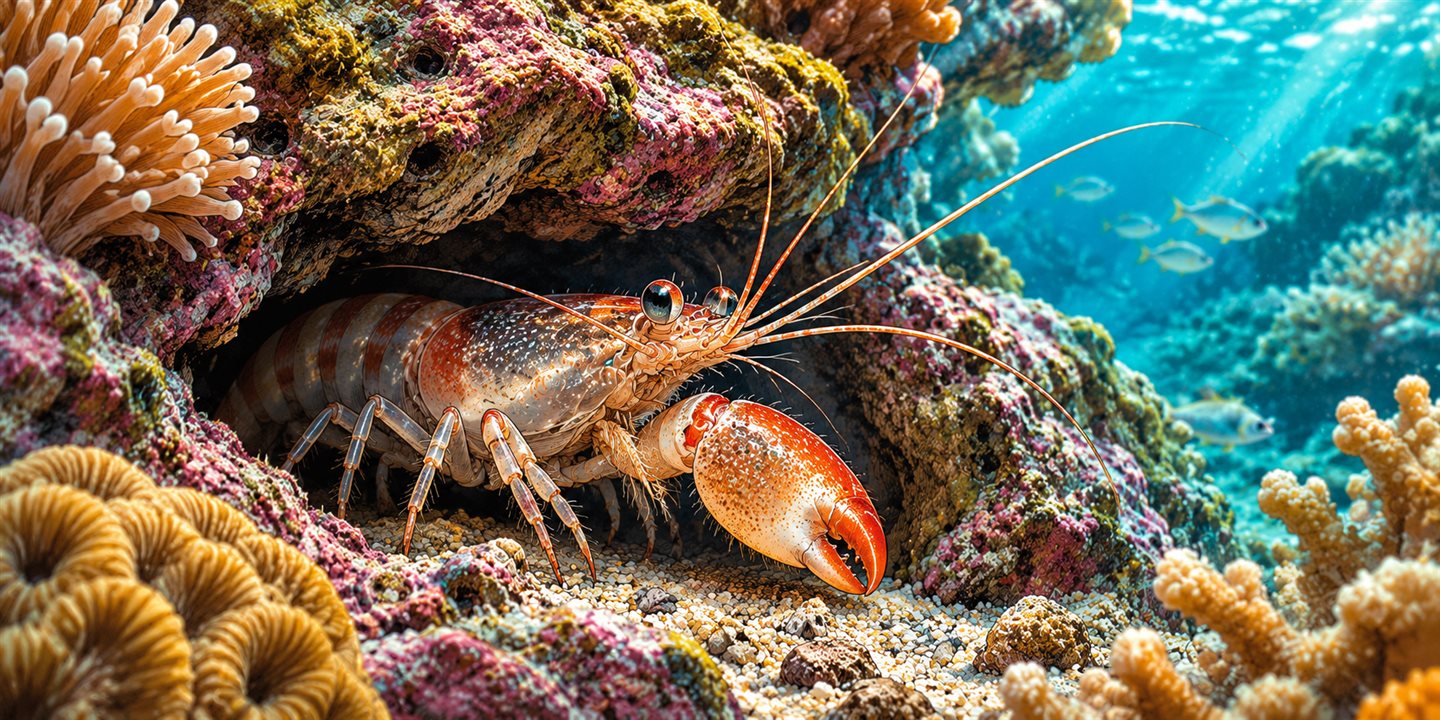
Sound Beneath the Surface
On land, people often use small differences between what their ears hear to judge direction. Underwater, sound travels through a different environment…
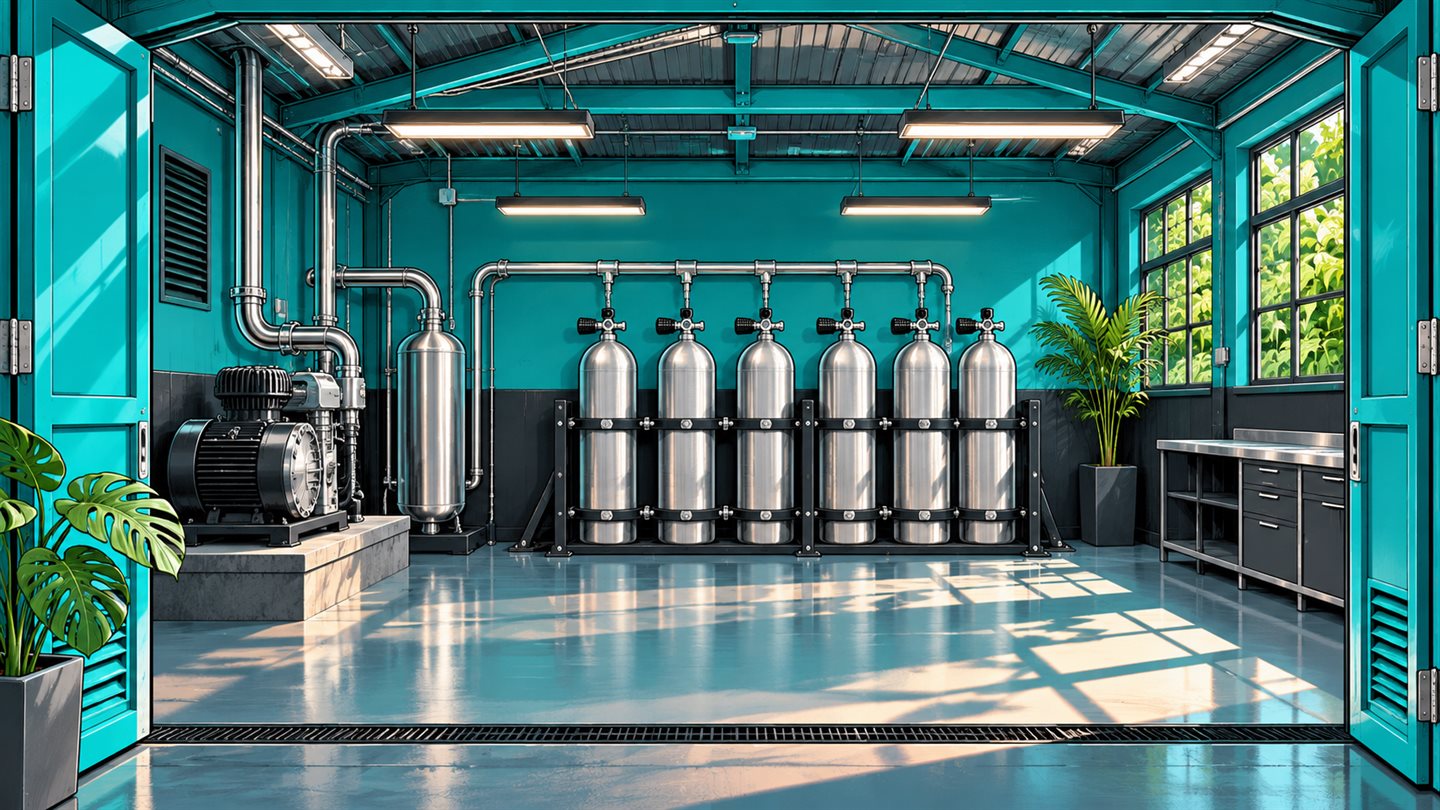
What Is in a Scuba Cylinder?
A scuba cylinder is sometimes casually called an oxygen tank, but recreational divers commonly use appropriately prepared compressed air, which contai…
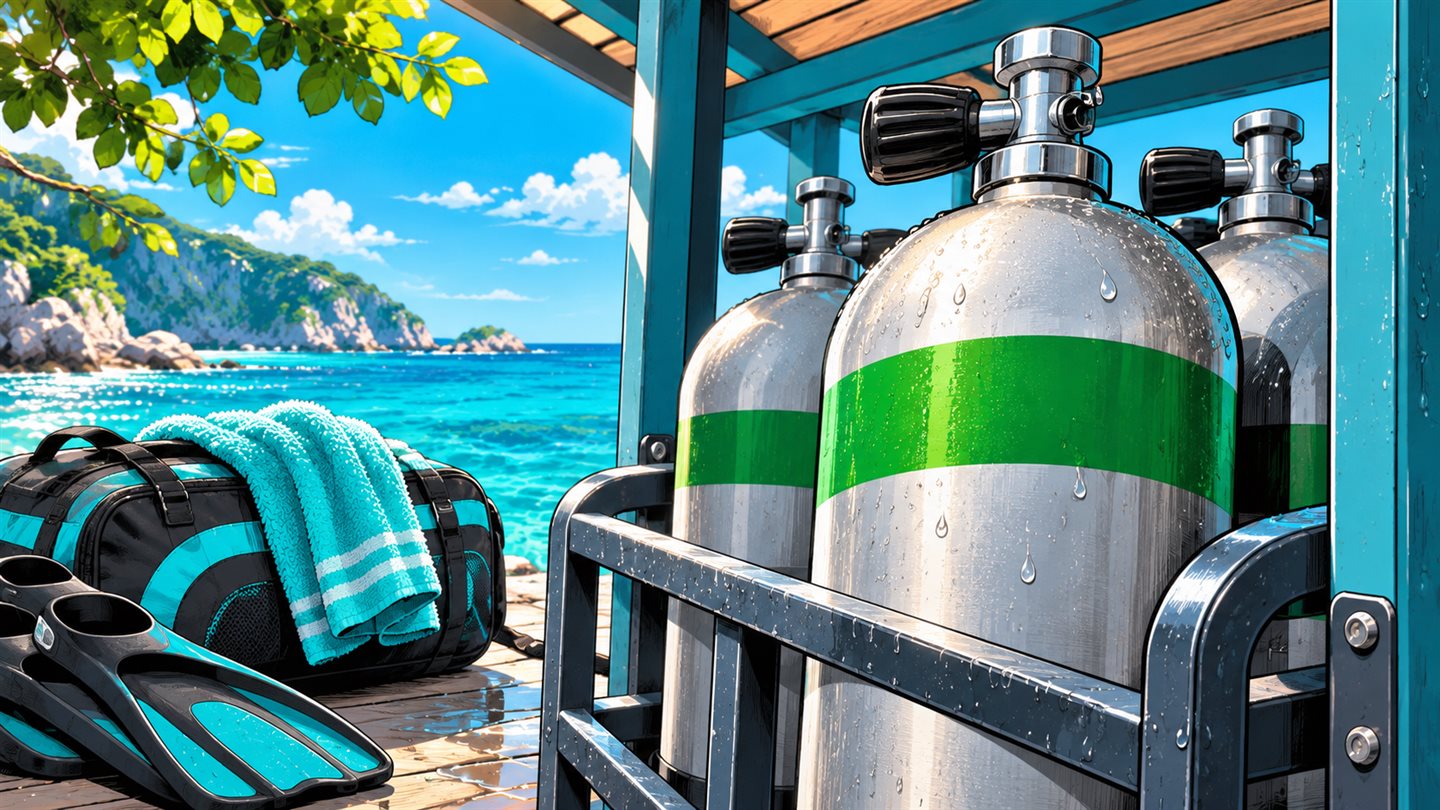
Does Nitrox Mean Deeper Diving?
In recreational diving, enriched air nitrox generally refers to breathing gas with a higher oxygen percentage than ordinary air. Planning and limits d…

Diving at Altitude
The surface pressure at a high-altitude lake or waterway differs from sea level, so plans cannot assume identical conditions. Travel, previous dives a…
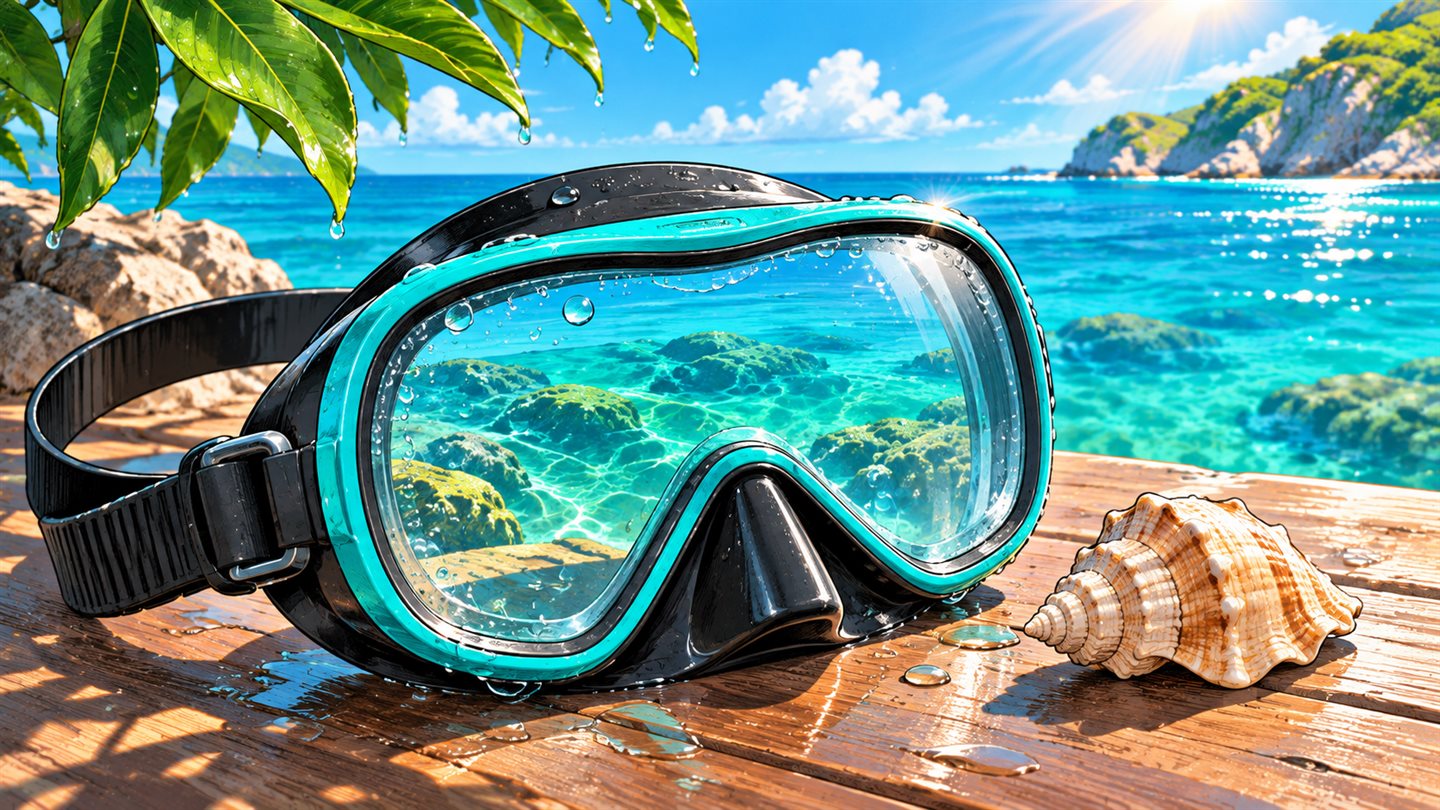
Seeing Underwater
Light changes direction as it passes from water through a mask lens into the air inside. This is refraction. Through a flat mask lens, an object can a…
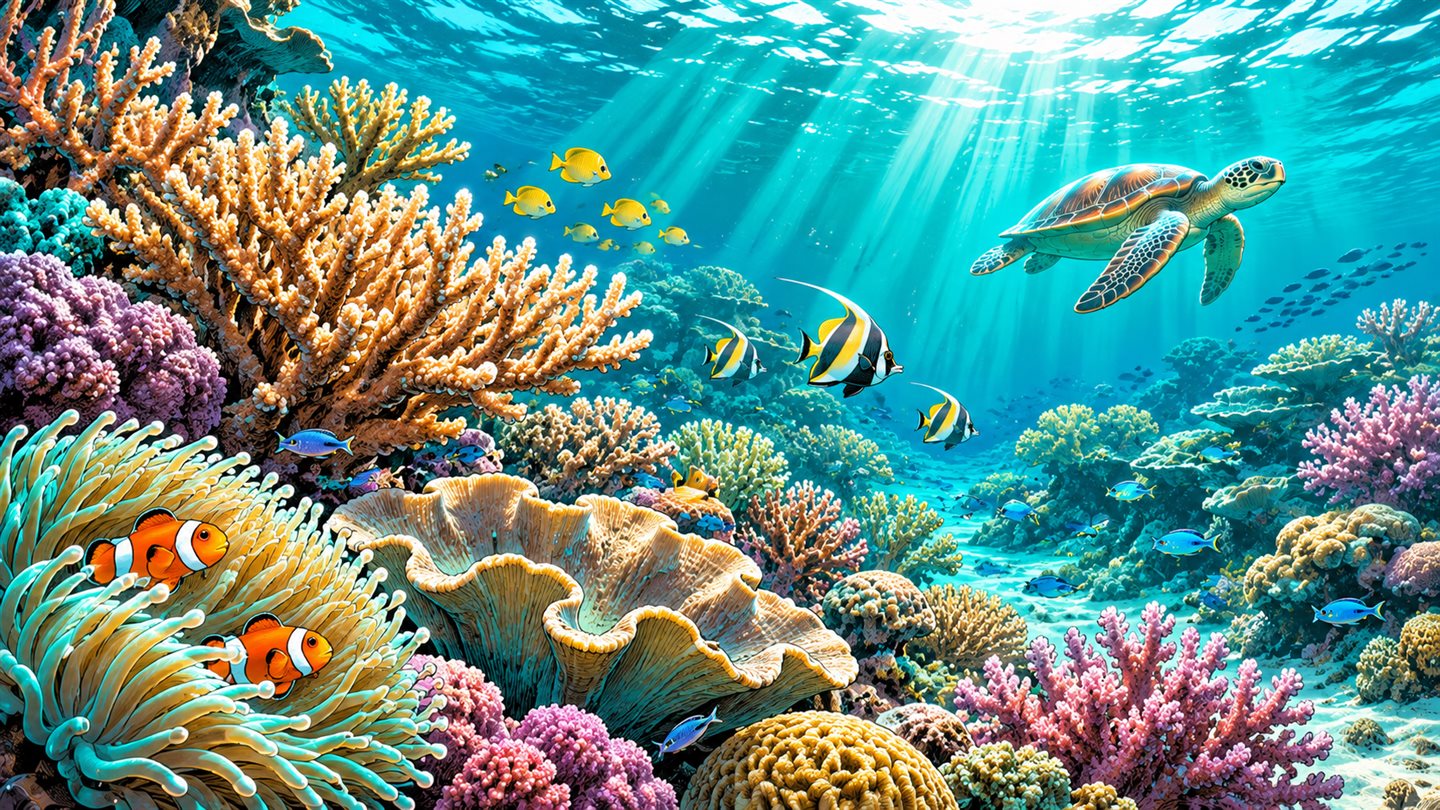
Giving Reefs Room
Coral reefs are home to many marine animals. Divers and snorkellers can reduce disturbance through simple habits: keep a comfortable distance, be awar…

Menstruation and Shark Encounters
The Florida Museum’s International Shark Attack File says menstrual blood may be detectable like other bodily fluids, but there is no positive evidenc…
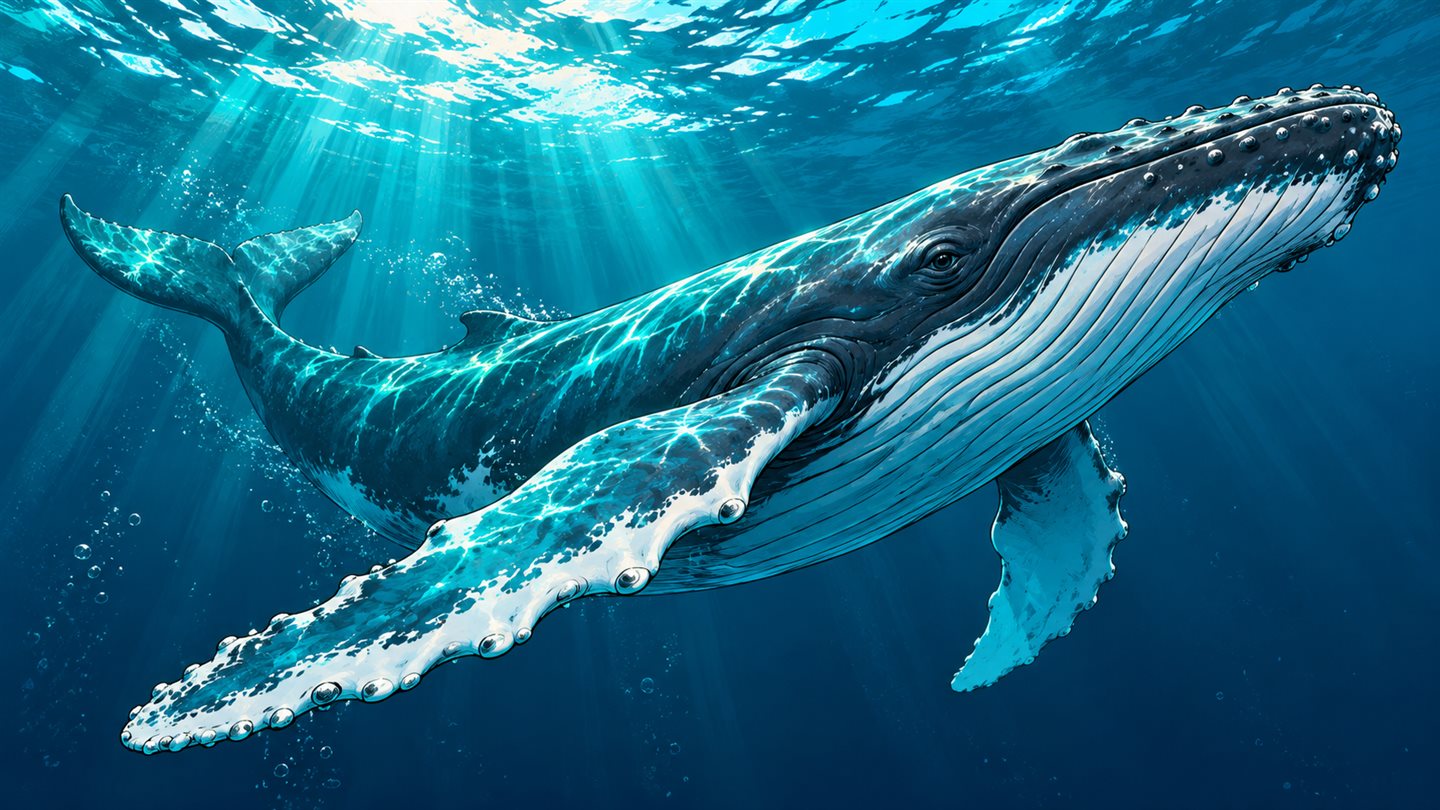
Deep-Diving Whales
Whales are air-breathing mammals, but dive depth, duration and feeding behaviour vary widely by species. A record for one animal does not represent al…
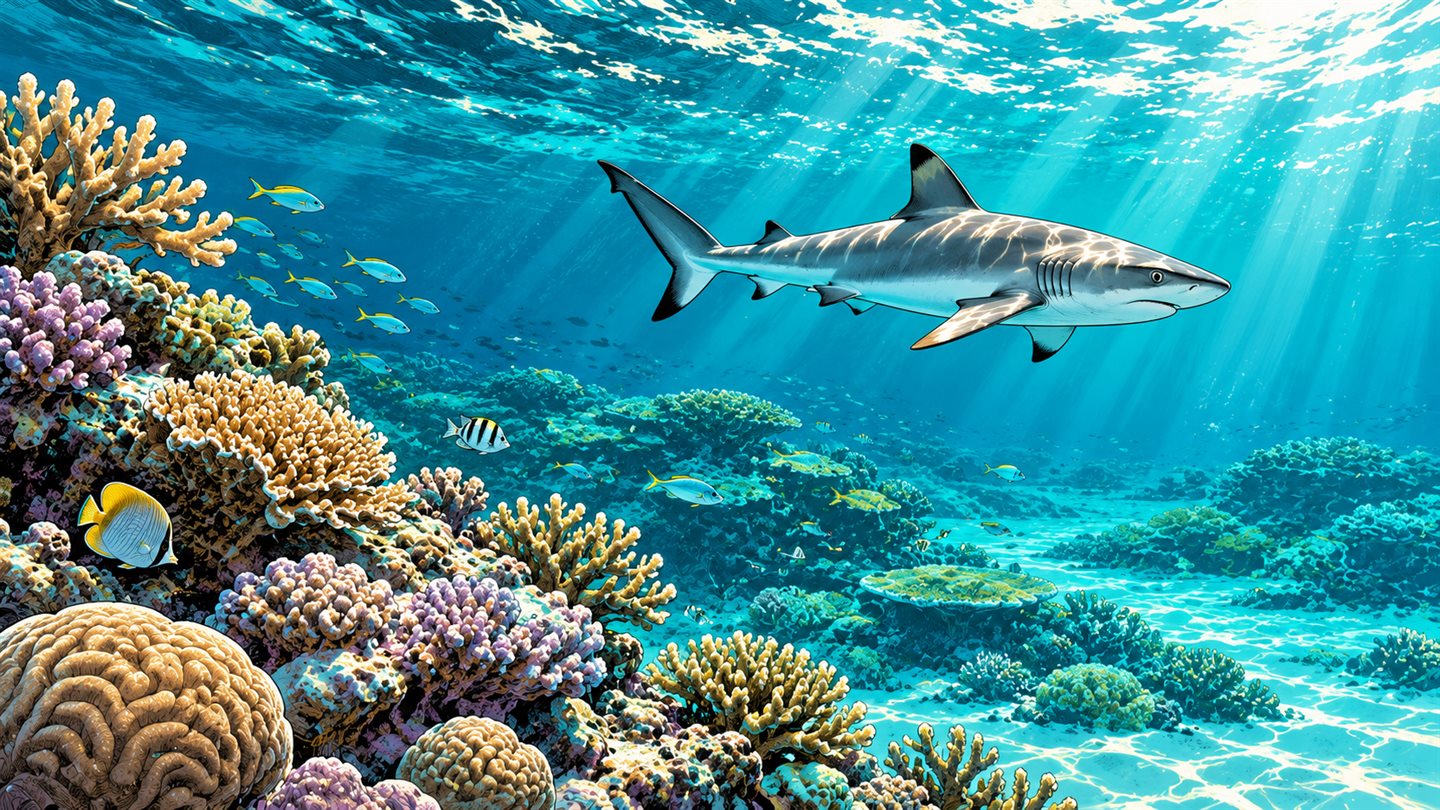
Understanding Shark Encounters
Sharks include many species with different sizes, diets, habitats and behaviour. NOAA notes that humans are not part of their normal diet, but wild-an…
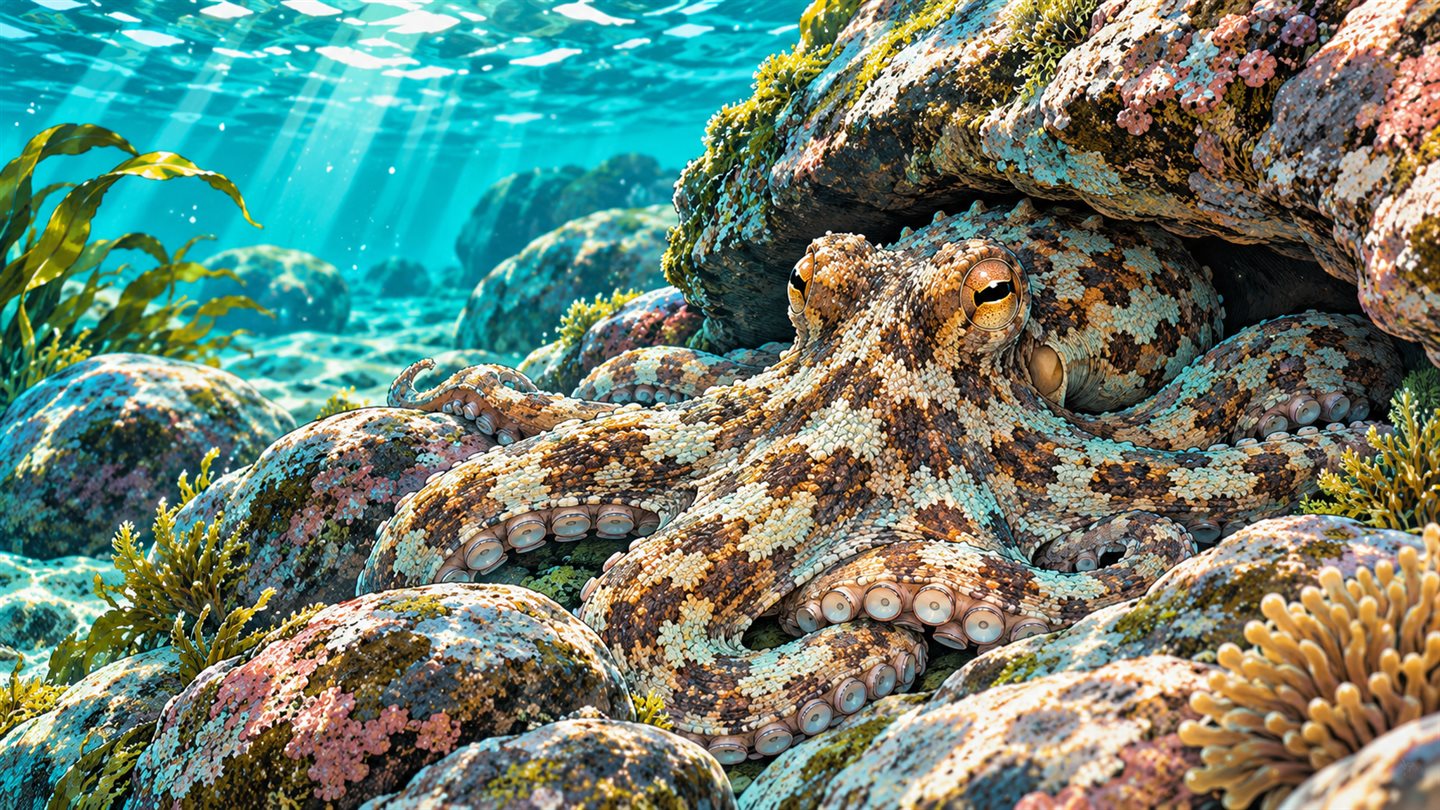
An Octopus in Disguise
What looks like a patterned rock may reveal an eye on closer inspection. An octopus’s camouflage rewards patient observation, but its changing appeara…
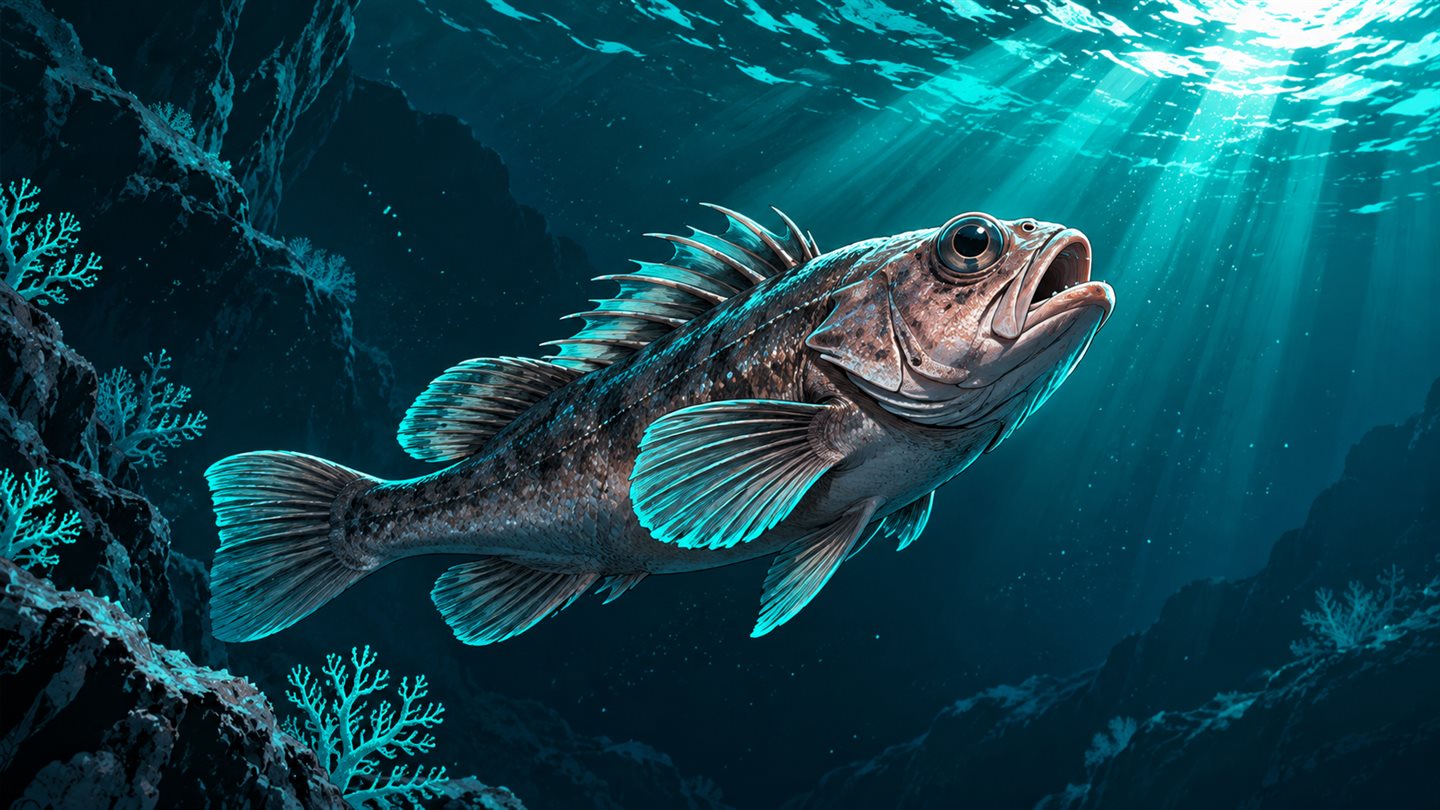
Fish and Rapid Pressure Change
Some fish have a gas-filled swim bladder that helps control buoyancy. Swim-bladder structure and adaptation differ among species, so one species’ resp…

Body Weight and Diving Readiness
Readiness involves health, fitness, gear fit and conditions; body weight alone does not establish fitness to dive. Courses and operators may also have…
Diabetes and Diving
Diabetes treatment, glucose patterns and other health factors vary. Some people may undertake recreational diving after assessment and when specific c…
Diabetes or Weight-Management Medicines and Diving
Medicine type, reason for use, other conditions, concurrent drugs and symptoms can affect assessment. Direct data on GLP-1 medicines in diving is limi…

Decongestants and Diving
Congestion can interfere with ear and sinus equalisation. DAN advises against diving with a cold or congestion; temporarily masking symptoms does not …
Motion-Sickness Medication and Diving
Motion sickness can affect attention and readiness. Some medicines may cause drowsiness, blurred vision or other effects; products and individual resp…

Pregnancy and Scuba Diving
Scuba diving, swimming and other water activities involve different conditions and risks. Advice for one should not automatically be applied to anothe…

Ear Conditions and Diving
Ear surgery, recurring pain, hearing or balance problems and difficulty equalising need individual assessment. Another diver’s experience does not est…

Harassment and Support in Diving
Everyone attending a dive course, boat trip or gear fitting deserves respect. Unwanted comments, conduct or contact should not be treated as a necessa…
Alcohol and Diving
DAN notes that alcohol affects judgment, reaction and coordination and can contribute to fluid loss. Boat and dive activities require awareness, equip…

Seasickness on a Dive Boat
Seasickness can cause nausea, discomfort and difficulty concentrating. Tell the operator, instructor and buddy beforehand. If you do not feel fit to d…

Ear Fullness After Diving
Ear fullness, pain, hearing changes or ringing after diving can have different causes. DAN advises stopping further diving and seeking medical evaluat…

Hypertension and Diving
Blood-pressure control, other conditions, exercise capacity and treatment may all affect fitness to dive. Do not decide from one reading or an online …
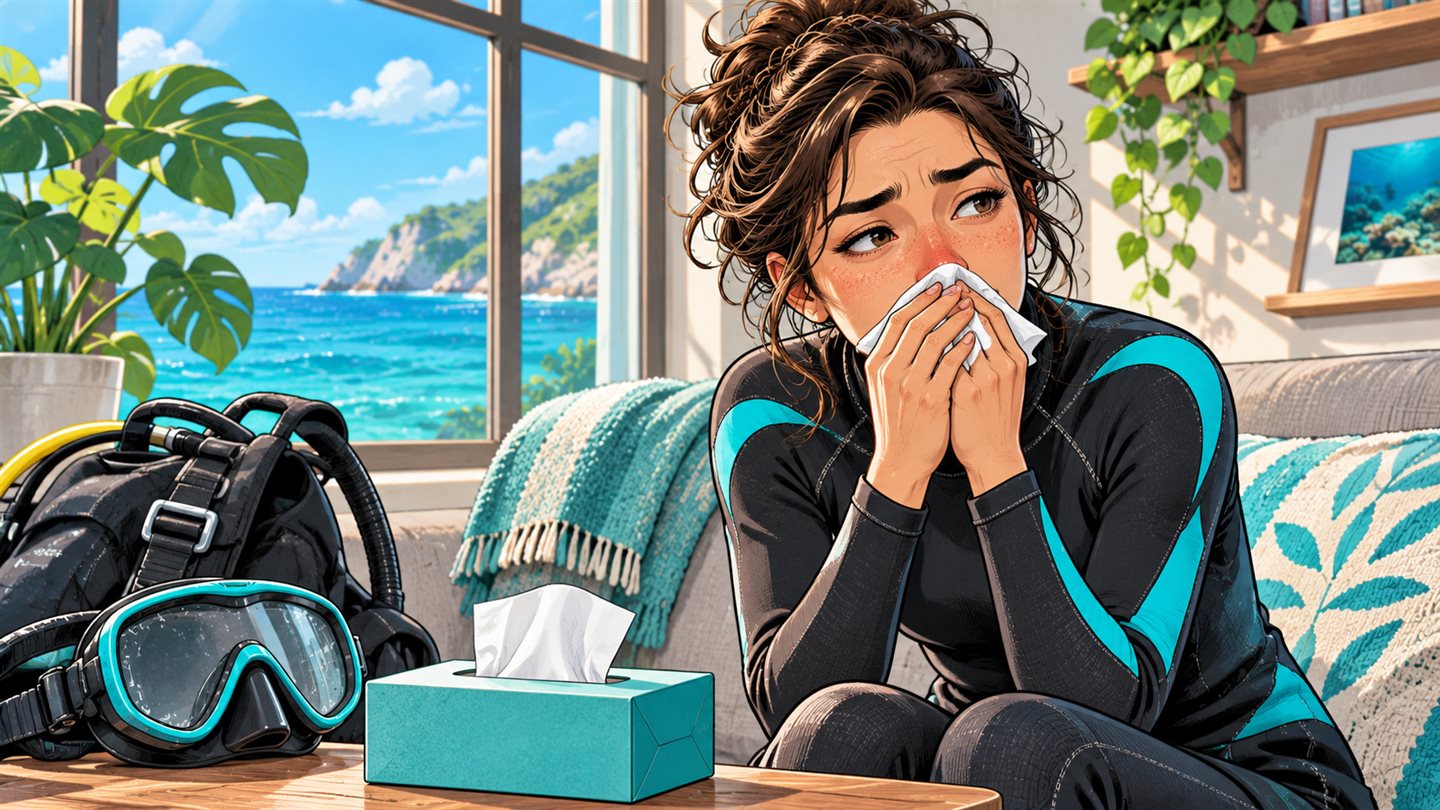
Diving with a Cold or Congestion
A cold, congestion or allergy-related swelling can interfere with equalising the ears and sinuses. Tell the dive centre and instructor about symptoms …

Asthma and Diving
A diagnosis alone or another person’s experience cannot determine fitness to dive. Symptom control, triggers, lung function, exercise capacity and med…

Flying After Diving
Travelling to higher altitude soon after a dive increases decompression stress. Aircraft cabin pressure is lower than ground-level pressure near sea l…

Recognising Decompression Illness
DAN uses decompression illness (DCI) as an umbrella term covering decompression sickness and arterial gas embolism. Causes and presentations differ an…

Why Scuba Divers Do Not Hold Their Breath
Scuba divers breathe gas at ambient pressure. During ascent, surrounding pressure falls and gas in the lungs expands. Holding the breath can prevent g…

Understanding Nitrogen Narcosis
At increased pressure, some components of breathing gas can have narcotic effects. DAN notes that these effects may impair judgment, reasoning and per…

Equalising Your Ears
Ambient pressure changes with depth, and air spaces in the ear need to adapt. A cold, congestion or an ear condition can make equalisation difficult. …
No matching guides.