
This article has not been professionally reviewed by a dive-medicine specialist or instructor. It is general information and does not replace dive training, professional advice or medical diagnosis. Stop diving and seek immediate medical help for serious or unusual symptoms after a dive.
Coral reefs are home to many marine animals. Divers and snorkellers can reduce disturbance through simple habits: keep a comfortable distance, be aware of equipment and leave coral and wildlife where they are.
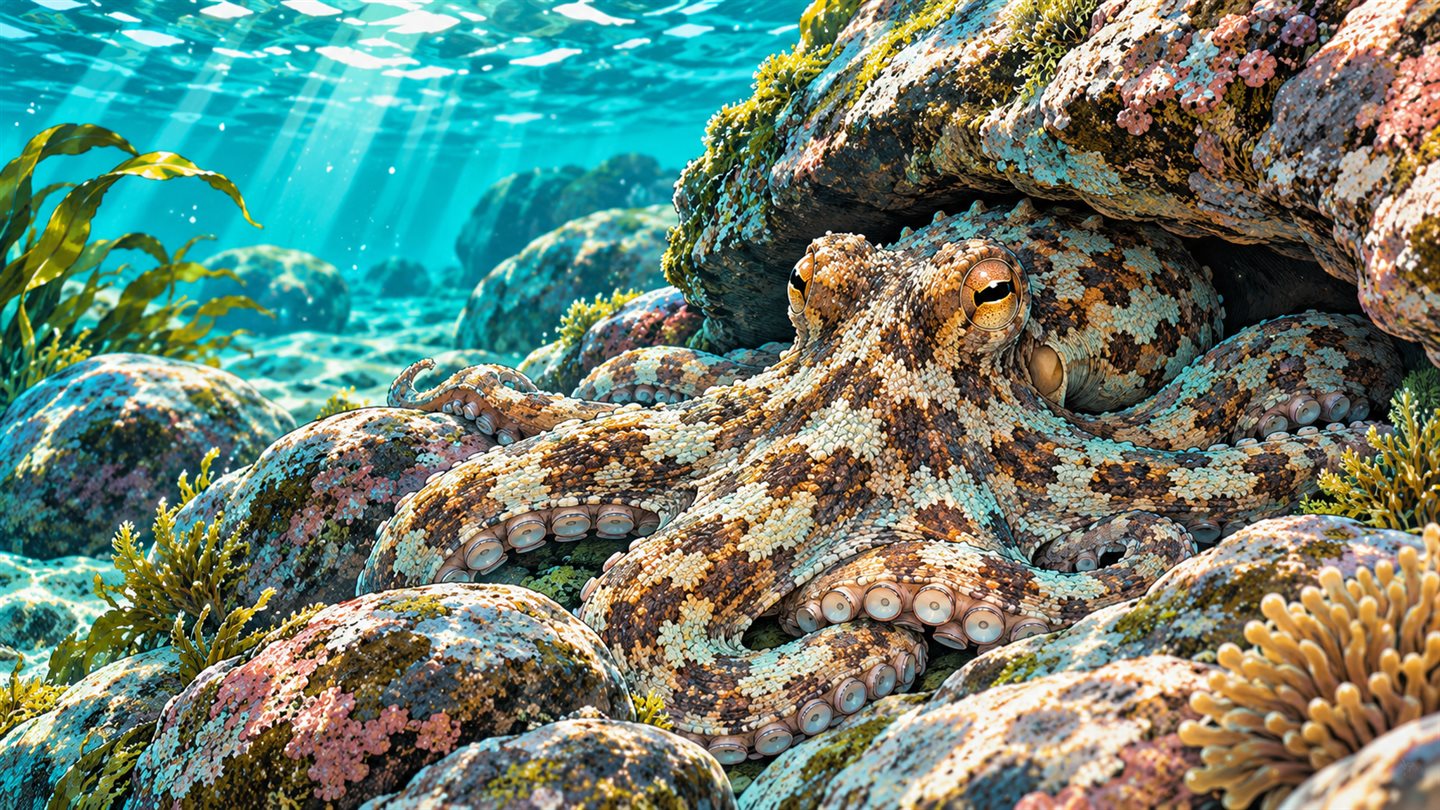
Look without touching or standing on coral
Corals are living animals, and even a small impact can damage them. Be aware of hands, feet and fins. If you need to rest or adjust equipment, follow your guide and boat crew’s directions and avoid leaning or standing on coral.
Keep track of your body and equipment
A dangling hose, gauge or fin can make contact with a fragile habitat. Secure equipment appropriately and practise buoyancy under the guidance of a qualified instructor, within your training. Choosing a trip appropriate to your abilities and the conditions also matters.
Observe without chasing or feeding
Approaching, chasing or feeding animals can disrupt their normal behaviour. Give wildlife room to move, avoid surrounding or blocking animals, and never touch or move them for a photograph. Local protected areas may have additional rules; check with local operators before the trip.
Sources
This article is for general information and learning only. It is not medical advice or a substitute for dive training. Follow your training and the guidance of qualified professionals, taking actual conditions into account.