
This article has not been professionally reviewed by a dive-medicine specialist or instructor. It is general information and does not replace dive training, professional advice or medical diagnosis. Stop diving and seek immediate medical help for serious or unusual symptoms after a dive.
Temperature is not the only factor
Water carries heat away from the body. DAN notes that even apparently warm water can lead to gradual cooling during prolonged immersion. Time, wind, repetitive exposure, thermal protection and individual differences all matter.
Choose appropriate protection
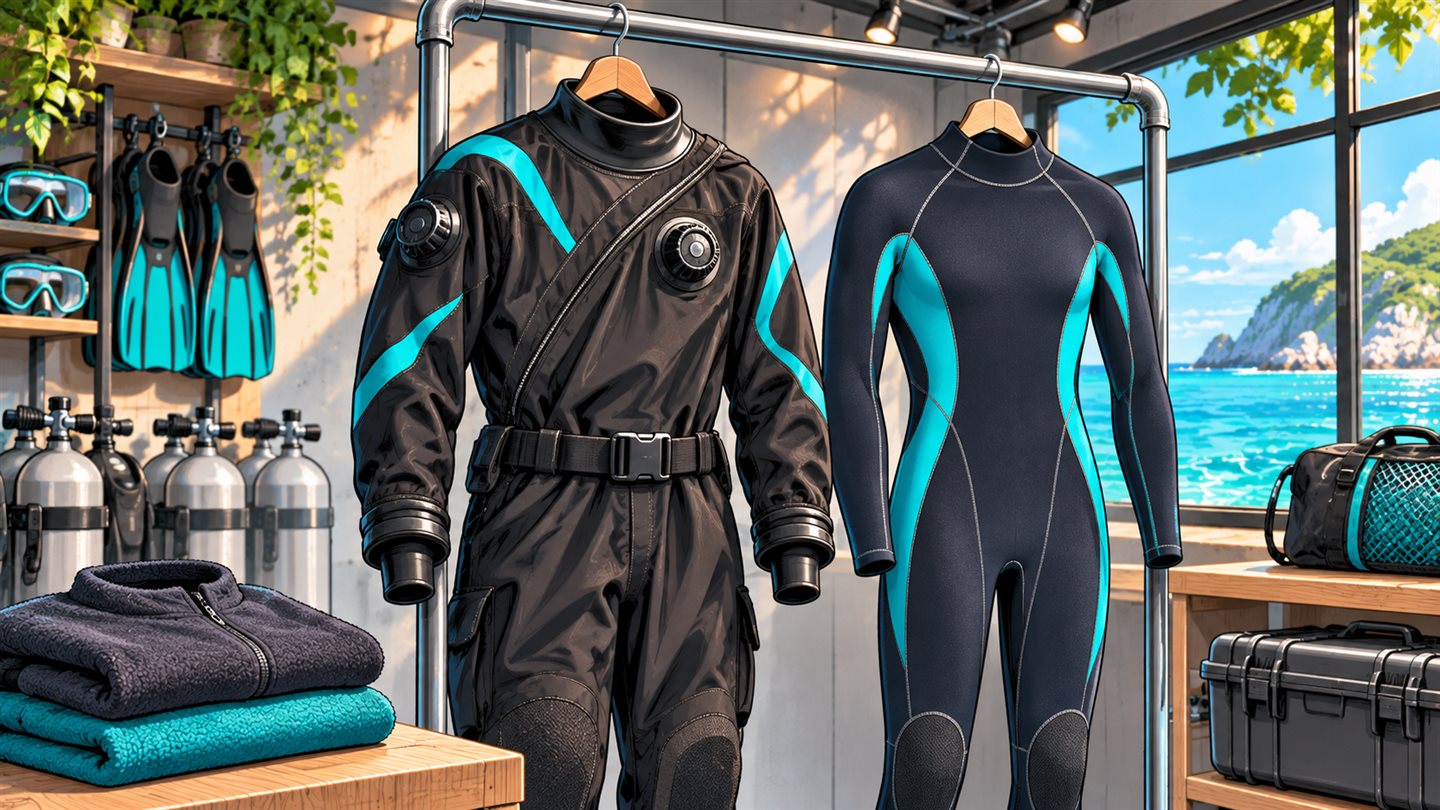
Select a well-fitting exposure suit for the conditions, duration and your needs. Wetsuits and drysuits are used differently, and drysuits require relevant training. Do not choose solely by thickness or a buddy’s preference.
Stay warm between dives
Wet clothing, wind and the boat environment can continue to draw heat away after a dive. Ask about shelter and changing arrangements, bring suitable dry clothing and pay attention to each other’s condition.
When symptoms are significant
For persistent shivering, poor coordination, altered consciousness or other concerning symptoms, stop diving and notify the crew immediately. Follow first-aid training and emergency medical instructions; do not self-diagnose.
Sources
This article is for general information and learning only. It is not medical advice or a substitute for dive training. Follow your training and the guidance of qualified professionals, taking actual conditions into account.