
This article has not been professionally reviewed by a dive-medicine specialist or instructor. It is general information and does not replace dive training, professional advice or medical diagnosis. Stop diving and seek immediate medical help for serious or unusual symptoms after a dive.
Understand your vision needs
If you normally wear glasses, discuss distance, near vision and astigmatism with an eye-care professional. Consider whether you can read instruments and see your buddy and surroundings.
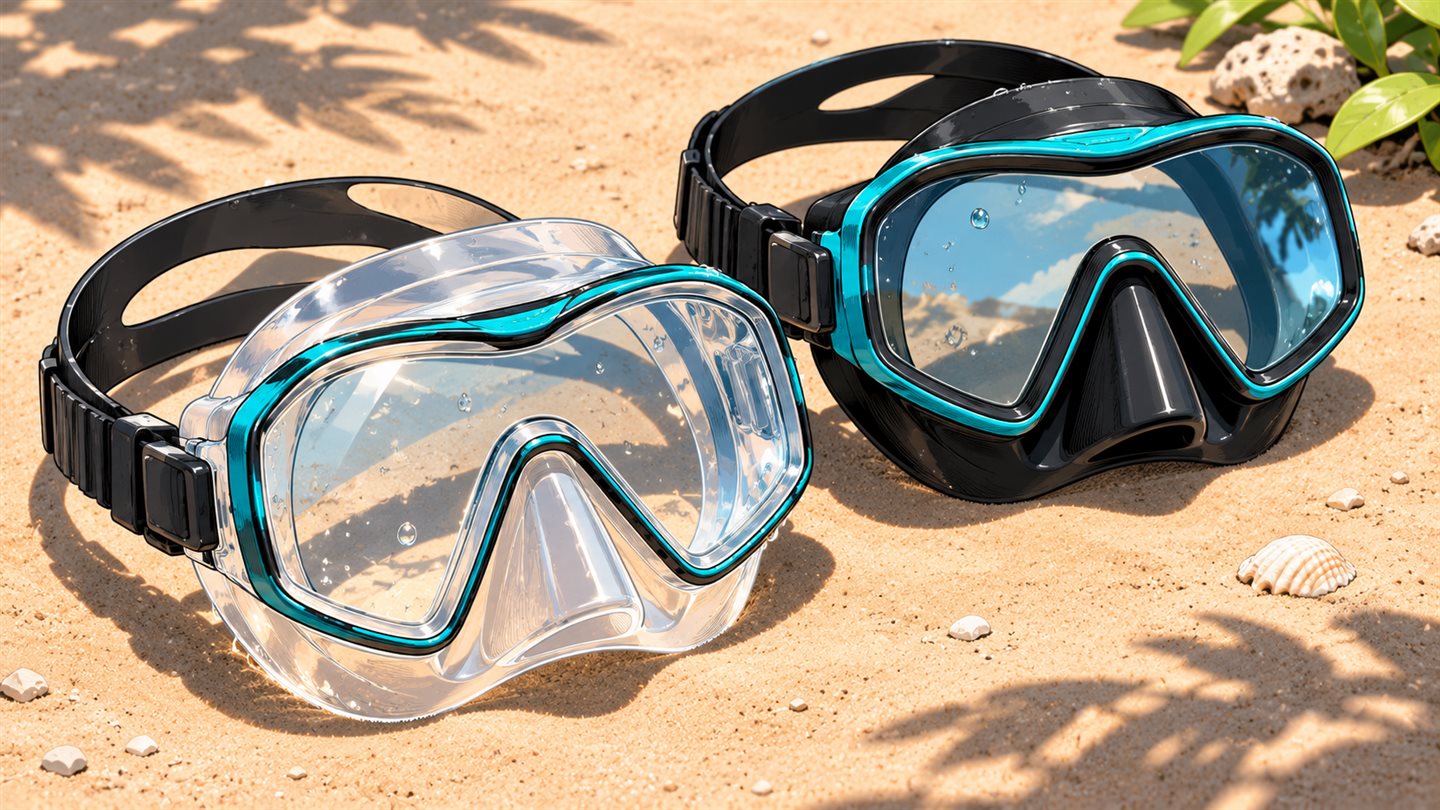
Prescription mask lenses
Some masks accept ready-made corrective lenses; others can be fitted with custom lenses or inserts. Available prescriptions and compatibility vary, so check the exact model and supplier.
Contact lenses
Some divers use contacts, but eye health, lens type, water exposure and hygiene are individual considerations. Consult an eye-care professional rather than treating another diver’s experience as medical advice.
Plan a backup
Consider a backup vision option for travel and a damaged mask. Check fit and lens condition before departure and communicate with your buddy as taught in training.
Sources
This article is for general information and learning only. It is not medical advice or a substitute for dive training. Follow your training and the guidance of qualified professionals, taking actual conditions into account.