This article has not been professionally reviewed by a dive-medicine specialist or instructor. It is general information and does not replace dive training, professional advice or medical diagnosis. Stop diving and seek immediate medical help for serious or unusual symptoms after a dive.
Fit affects comfort and warmth
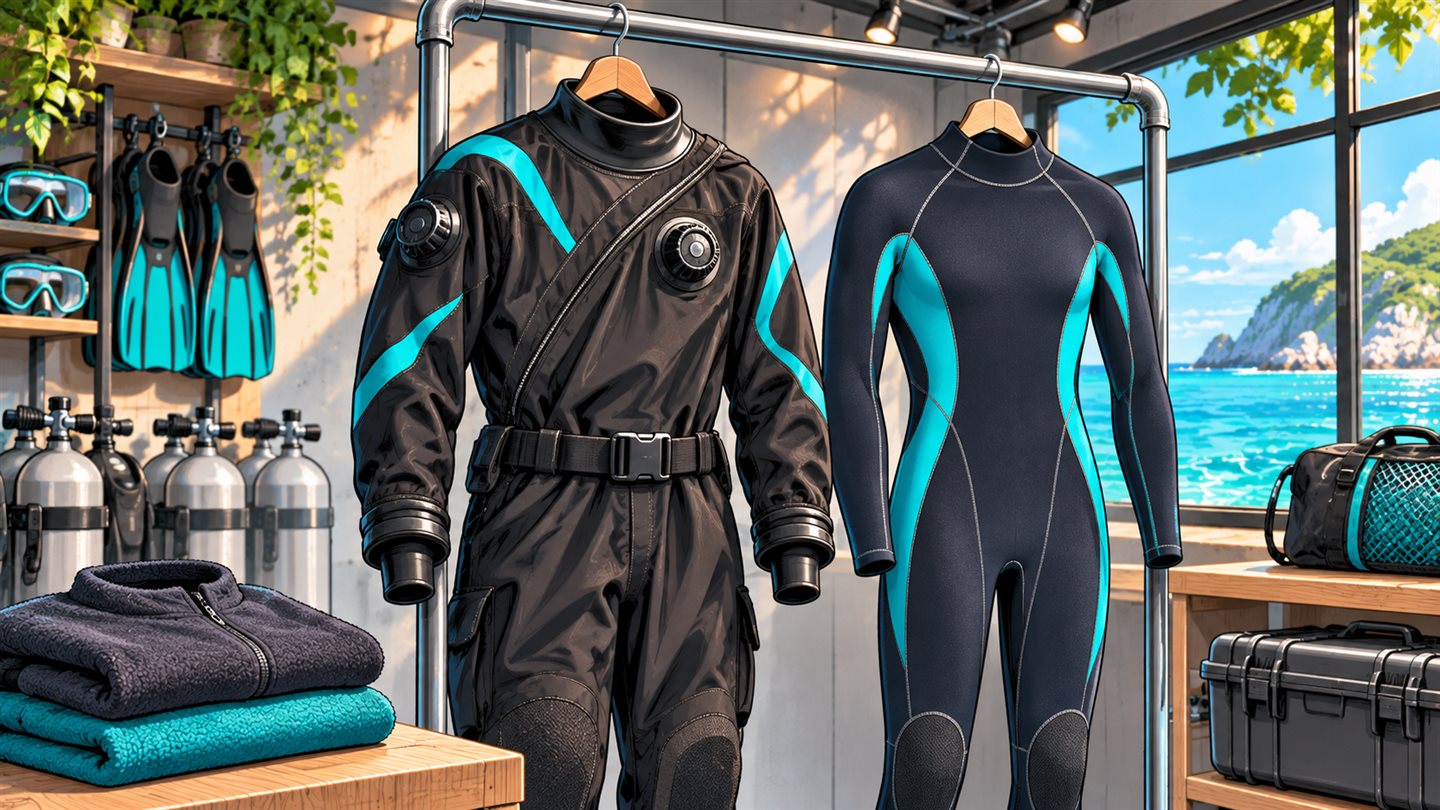
A wetsuit should fit appropriately while allowing comfortable movement and breathing. Excess looseness can affect insulation and excessive tightness can cause pressure. Cuts and body shapes vary.
What to check
Move your shoulders, arms and legs, and check the neck, chest, underarms, waist and knees for obvious restriction or large gaps. Ask a shop professional for fitting help rather than relying on height or weight alone.
Conditions and activity
Water temperature, duration, activity and personal cold tolerance matter. Suits for different water sports can be designed differently, so confirm intended use.
Before and after purchase
Check the brand’s size chart, zips, seams and return policy. Rinse, dry and store according to the manufacturer.
Sources
This article is for general information and learning only. It is not medical advice or a substitute for dive training. Follow your training and the guidance of qualified professionals, taking actual conditions into account.