
This article has not been professionally reviewed by a dive-medicine specialist or instructor. It is general information and does not replace dive training, professional advice or medical diagnosis. Stop diving and seek immediate medical help for serious or unusual symptoms after a dive.
Start with conditions
Water temperature is only one part of exposure protection. Dive duration, weather, warmth on the boat, personal tolerance and fit also affect comfort.
Different approaches
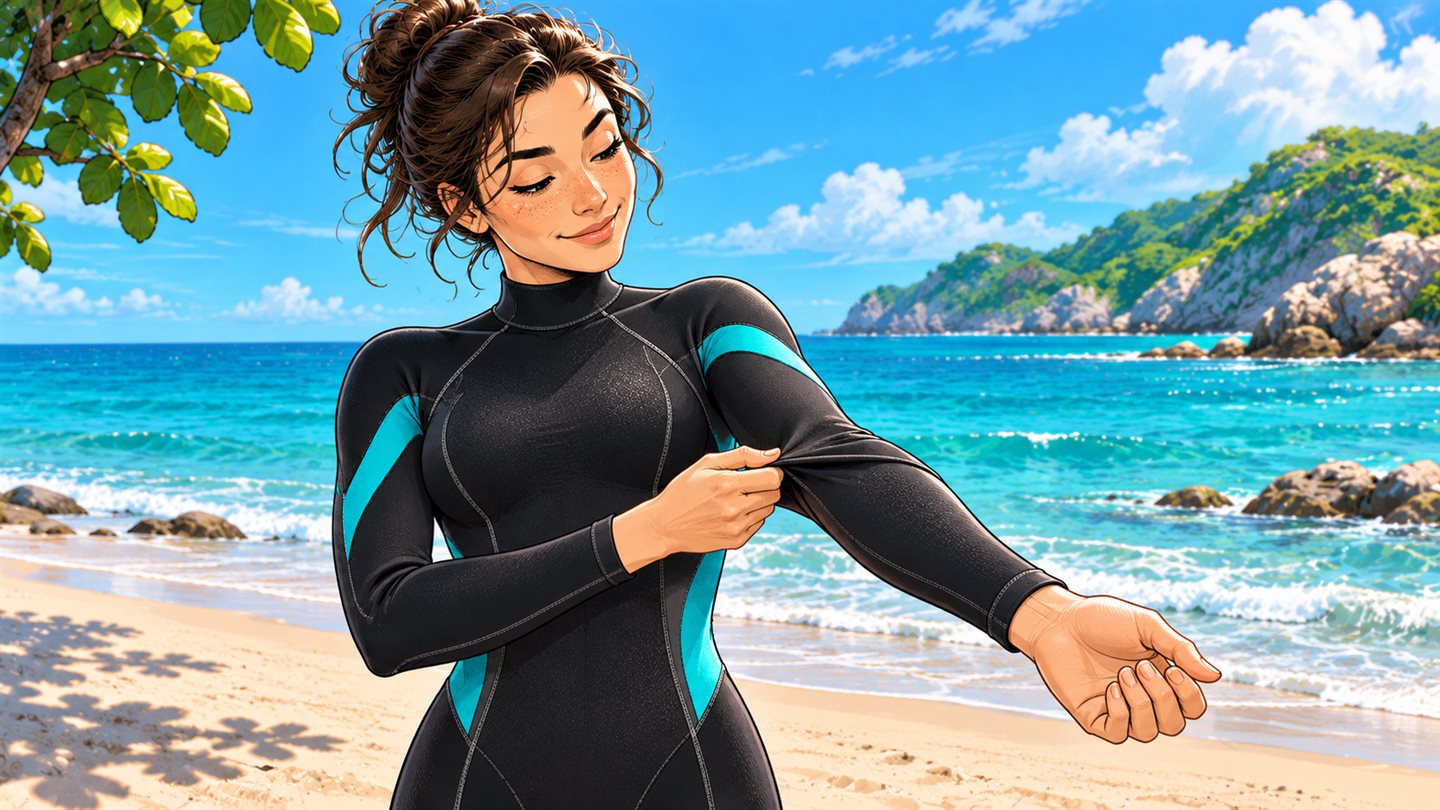
Wetsuits and drysuits differ in construction and use. A drysuit uses seals to help keep the underlayer dry and usually calls for a suitable insulating layer. Thicker does not automatically mean right for every activity.
Drysuits require additional training
Drysuits introduce different buoyancy and equipment-management requirements. Obtain suitable training from a qualified instructor and learn the equipment and emergency procedures. An article cannot replace that training.
Fit and care
Check mobility, seals and compatibility when trying a suit. Clean, dry and inspect it according to the manufacturer. Have damaged material, seals or valves assessed by qualified personnel.
Sources
This article is for general information and learning only. It is not medical advice or a substitute for dive training. Follow your training and the guidance of qualified professionals, taking actual conditions into account.