
This article has not been professionally reviewed by a dive-medicine specialist or instructor. It is general information and does not replace dive training, professional advice or medical diagnosis. Stop diving and seek immediate medical help for serious or unusual symptoms after a dive.
Buoyancy is a skill to practise
Stable buoyancy and body position help divers control their place in the water and reduce contact with the bottom or coral. Gear, weighting, breathing and conditions all matter; no single tip replaces training.
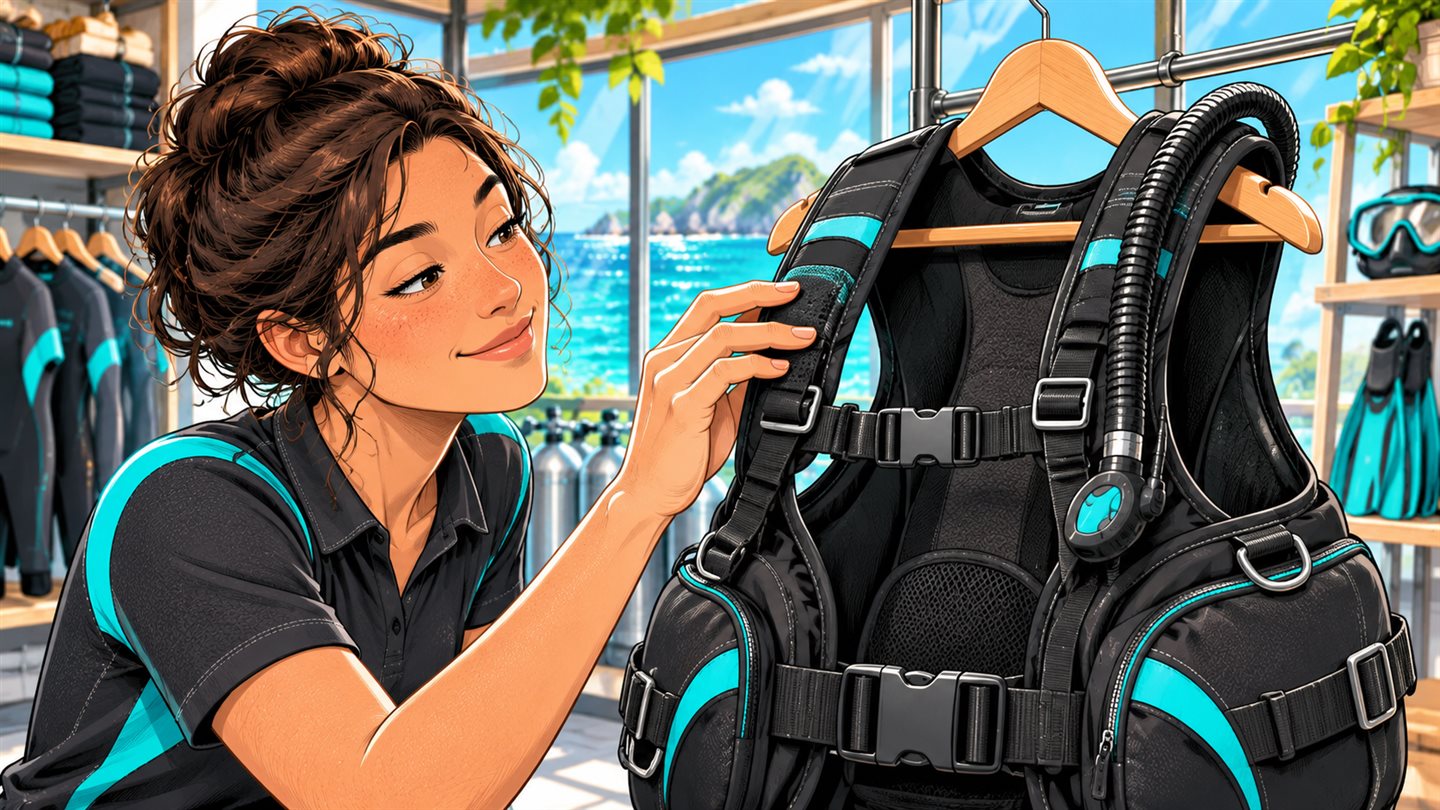
Check equipment and weighting
A change of suit, cylinder or fresh- versus salt-water environment can affect weighting. Do not copy someone else’s numbers; check as trained with a qualified instructor.
Practise in appropriate conditions
Tell an instructor what feels difficult and arrange supervised practice in suitable water. Learn to recognise controls, position and changes gradually rather than rushing to master everything at once.
Consider people and habitat
Communicate with your buddy and watch fins and hoses to avoid marine life. If you cannot control buoyancy or feel unwell, follow your training and instructor’s directions.
Sources
This article is for general information and learning only. It is not medical advice or a substitute for dive training. Follow your training and the guidance of qualified professionals, taking actual conditions into account.